Hurricane Lala's Impact: A Deep Dive into Hawaii's Ongoing Crisis
Hurricane Lala has left devastation in its wake, causing one fatality and widespread disruption across Hawaii. As the storm continues to threaten the islands, we explore the implications for residents and the insurance landscape.
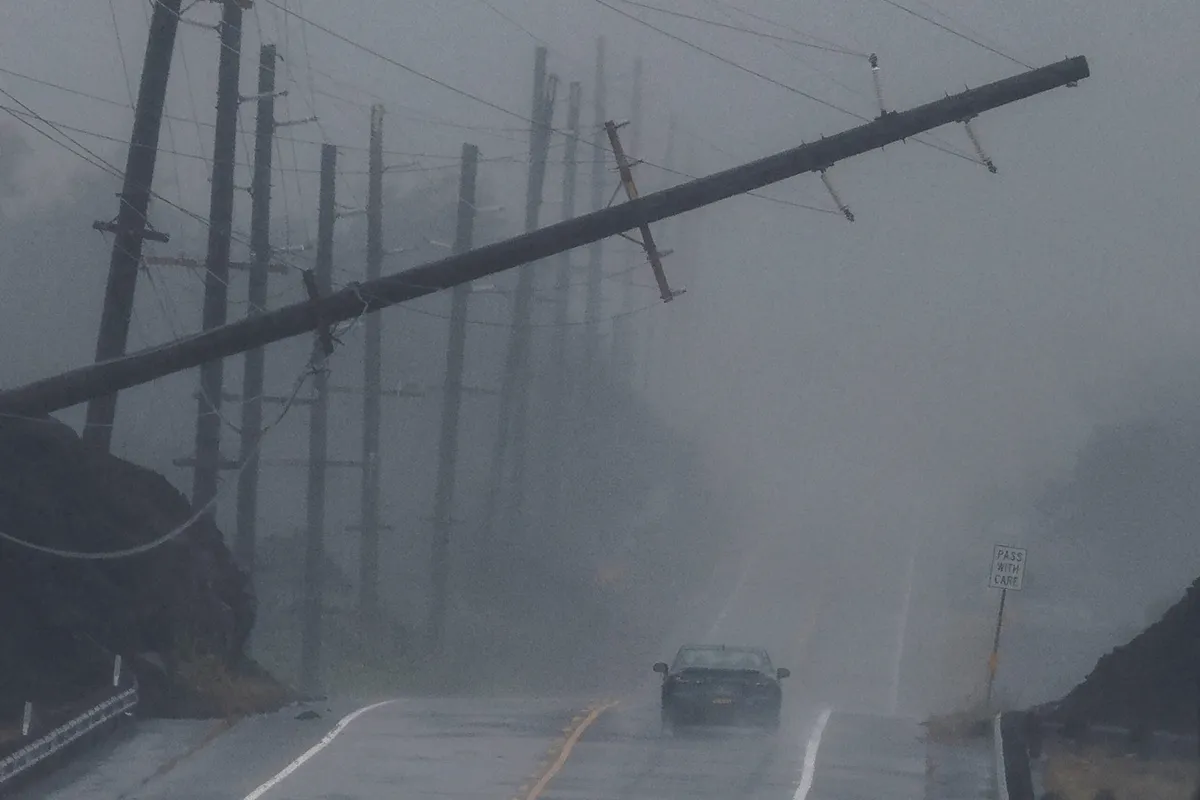
As Hurricane Lala churns through the Pacific, it has already left a tragic mark on Hawaii, claiming one life and causing widespread destruction across the islands. The storm, which was once classified as a hurricane, has now weakened to a tropical storm, yet its impact remains significant. With forecasts predicting up to three feet of rain in some areas, residents are facing not only the immediate dangers of flooding and mudslides but also the long-term implications for recovery and insurance.
Hawaii Governor Josh Green confirmed the death of a person involved in a car accident on the Big Island, a sobering reminder of the storm's ferocity. As Lala approaches, local authorities are grappling with the challenges of ensuring safety and restoring normalcy. With nearly 60,000 customers currently without power and significant flight cancellations, the state faces a long and arduous recovery process.
The Current State of Hurricane Lala
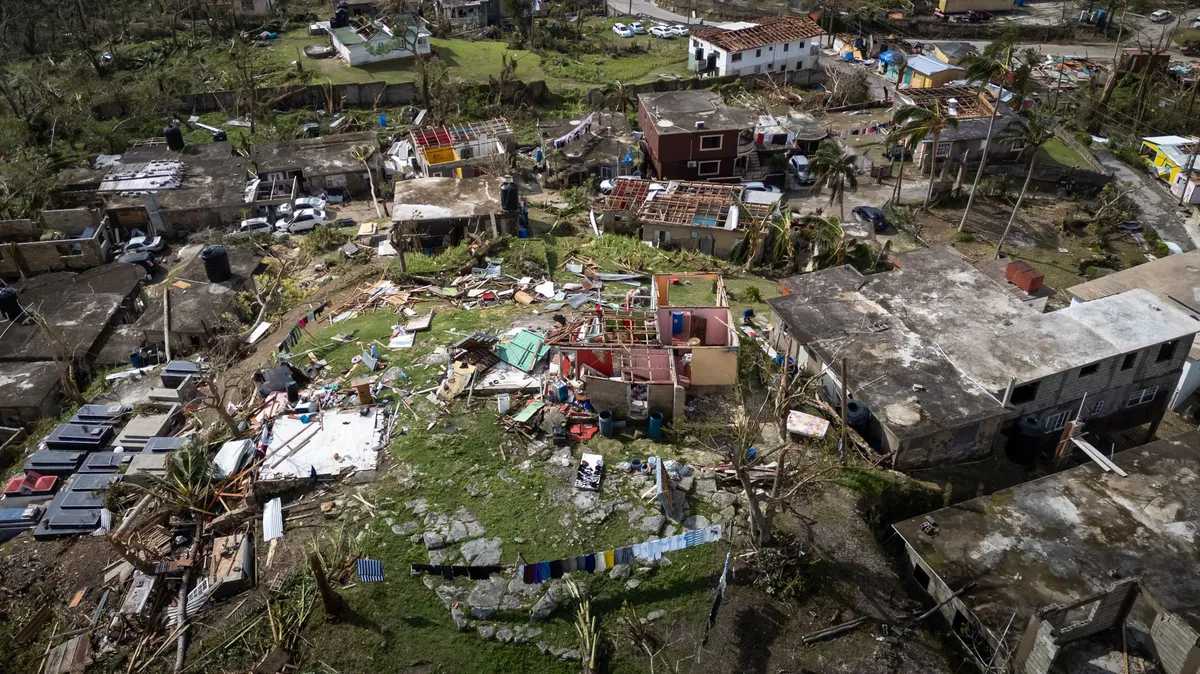
As of Sunday morning, Lala's winds had decreased to about 65 miles per hour, but the storm is still expected to produce dangerous weather conditions. The U.S. National Hurricane Center has warned of life-threatening flooding and mudslides, particularly in steep terrain. Rainfall estimates indicate that the Big Island could receive an astonishing 30 to 35 inches, raising concerns about infrastructure and residential safety.
The tropical storm warning for Hawaii County has been lifted, but the alerts remain active for Maui County, Oahu, and Kauai County. This scenario highlights the unpredictable nature of tropical systems, which can shift rapidly, posing ongoing threats to residents and emergency services.
The Broader Impact on Hawaii
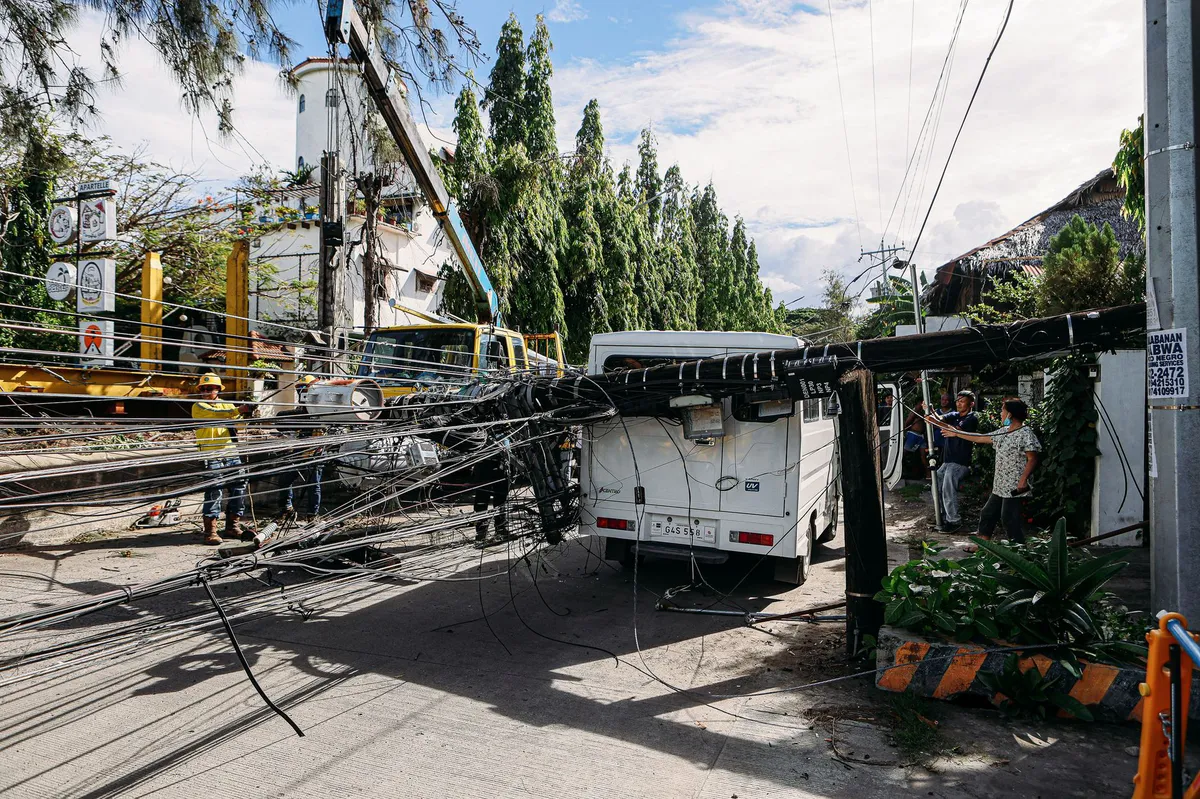
Hurricane Lala’s repercussions extend beyond immediate damage; they affect the entire state's economy and infrastructure. With significant power outages reported, Hawaiian Electric Industries has warned that some areas might not have power for weeks or even months. The reliance on mainland utilities for assistance complicates the situation further, as restoration efforts can take considerable time.
Flight cancellations at major airports such as Honolulu and Hilo have disrupted travel plans for thousands. As of Sunday afternoon, over 100 flights were canceled, illustrating the ripple effects of the storm on tourism and commerce in Hawaii. Such disruptions can have long-lasting effects, especially in a state where tourism is a crucial part of the economy.
Insurance Considerations for Residents
In the aftermath of Hurricane Lala, understanding the insurance landscape becomes critical for affected residents. Homeowners insurance policies often have specific stipulations regarding natural disasters, particularly for tropical storms and hurricanes. Here are some key points to consider:
- Flood Insurance: Standard homeowners insurance typically does not cover flood damage. Residents in affected areas might need to file claims through the National Flood Insurance Program (NFIP).
- Wind Damage: Policies may cover wind damage caused by storms, but residents should review their deductibles and coverage limits.
- Business Interruption Insurance: For business owners, this type of insurance can provide coverage for lost income during prolonged outages or property damage.
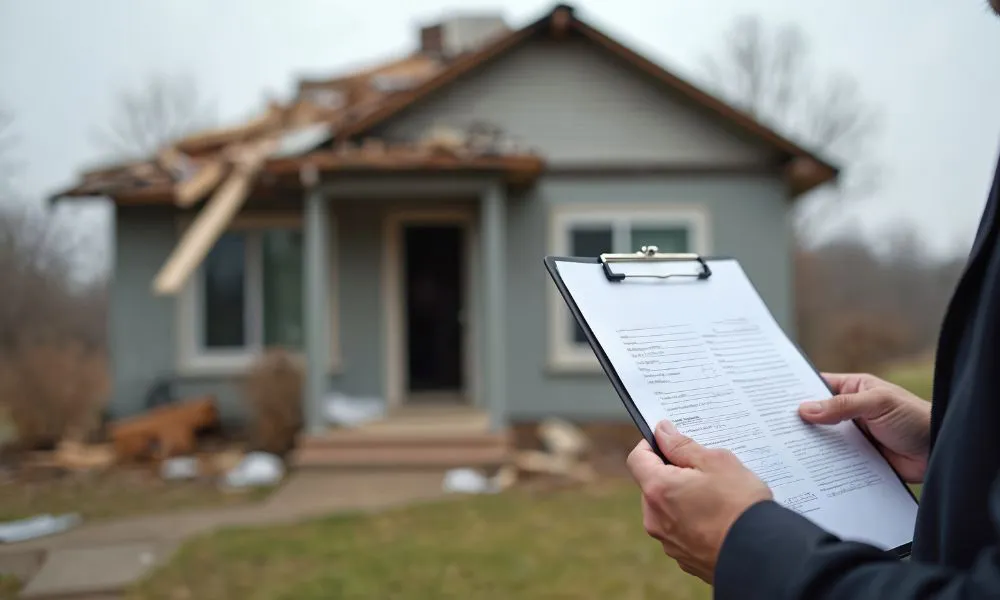
- Claims Process: Residents should document all damage thoroughly with photos and written estimates to facilitate a smoother claims process.
As reports of destruction come in, it’s essential for policyholders to reach out to their insurance providers as soon as possible to understand their coverage and begin the claims process.

Lessons from Past Storms
The history of hurricanes in Hawaii highlights the importance of preparedness and resilience. The state has not faced a direct hurricane strike in over a century, but tropical storms have caused significant damage in the past. Hurricane Iniki in 1992 serves as a stark reminder of the devastation that can occur, leading to the loss of homes and lives.
Even as Lala's winds decrease, the potential for flooding and mudslides remains a pressing concern. The lessons learned from previous storms emphasize the need for comprehensive emergency plans, community awareness, and robust infrastructure that can withstand such natural disasters.
Looking Ahead: Recovery and Resilience
In the wake of Hurricane Lala, Hawaii faces a daunting recovery journey. The recovery process will not only involve restoring power and infrastructure but also rebuilding communities and livelihoods. Local governments and emergency services must work closely with federal agencies to mobilize resources and support for affected individuals and businesses.
Additionally, this event serves as a wake-up call for residents to reevaluate their preparedness plans. Stocking emergency supplies, developing communication strategies, and understanding insurance coverage can significantly mitigate the impact of future storms. As climate change continues to influence weather patterns, the frequency and intensity of storms like Lala may become more common, making it imperative for residents to stay informed and proactive.
Key Takeaways
- Hurricane Lala has caused one fatality and widespread power outages.
- Residents should review their insurance policies carefully, particularly regarding flood and wind damage.
- Community resilience and preparedness are key to mitigating future storm impacts.
- Recovery efforts will likely take weeks or months, necessitating collaboration between local and federal agencies.
Frequently Asked Questions
What are the immediate safety measures residents should take during Hurricane Lala?
Residents should stay indoors and avoid travel unless absolutely necessary. It is crucial to monitor local news and weather updates to stay informed about changing conditions. Keeping emergency supplies on hand, including food, water, and medical supplies, can help families weather the storm safely.
How can I file an insurance claim after the storm?
To file an insurance claim, start by documenting any damage with photos and written descriptions. Contact your insurance provider as soon as possible to report the damage and begin the claims process. Be prepared to provide your policy number and details of the incident to facilitate a smoother experience.
Are there any resources available for residents affected by Lala?
Yes, local and federal resources are available to assist residents affected by the storm. The Federal Emergency Management Agency (FEMA) provides disaster assistance programs, while local government agencies can offer information on recovery efforts and resources available to residents. Community organizations may also provide support, particularly for vulnerable populations.
How can residents prepare for future storms?
Residents can prepare for future storms by creating an emergency plan that includes communication strategies, evacuation routes, and emergency supply kits. Regularly reviewing insurance coverage and staying informed about local emergency response plans can also enhance community resilience against future disasters.
Comments
Florida Court Ruling: Insurers Cannot Avoid Attorney Fees by Choosing Repairs
A Florida appeals court has ruled that insurers cannot escape attorney fees by opting for repairs instead of direct claim payments. This decision highlights significant implications for policyholders and insurance companies alike.

Related articles

Popular in Home Insurance
- 2026 Sees Below-Average Severe Convective Storm Losses: What It Means for Insurance
- El Niño and Wildfires: Preparing for a Fire-Prone Future
- Young Affluent Collectors: The Underinsurance Dilemma in Luxury Investments
- Wisconsin Property Owner Sues City and Insurers Over Contamination Cleanup Costs
- Rising Catastrophe Risks: How Europe’s Insurers Are Adapting to Climate Change