Navigating Post-Wildfire Smoke Damage Claims: A Comprehensive Guide
As wildfires increase in frequency and intensity, understanding smoke damage claims becomes critical. This article explores the complexities of post-wildfire smoke damage, offering insights for insurers and homeowners alike.

In recent years, the devastating effects of wildfires have been felt more acutely across the United States, particularly in areas where urban settings meet wildland environments. As the frequency and intensity of these fires increase, so do the complexities surrounding insurance claims related to smoke damage. The question often extends beyond the simple dichotomy of 'burned versus not burned' to encompass an array of non-thermal impacts, such as smoke infiltration and the harmful residues left behind in structures that may have escaped the flames. This evolving landscape of insurance claims necessitates a more nuanced understanding of how to effectively assess and handle post-wildfire smoke damage.
For insurers, the stakes are high. An accurate and defensible coverage and scope decision is crucial not only for the financial health of their organizations but also for the well-being of policyholders. The landscape of environmental science continues to evolve, presenting challenges in accurately assessing damages where contamination may be invisible, unevenly distributed, and vulnerable to misinterpretation. This article aims to provide a comprehensive framework for navigating these intricate claims, highlighting best practices for evaluation, sampling, and documentation.
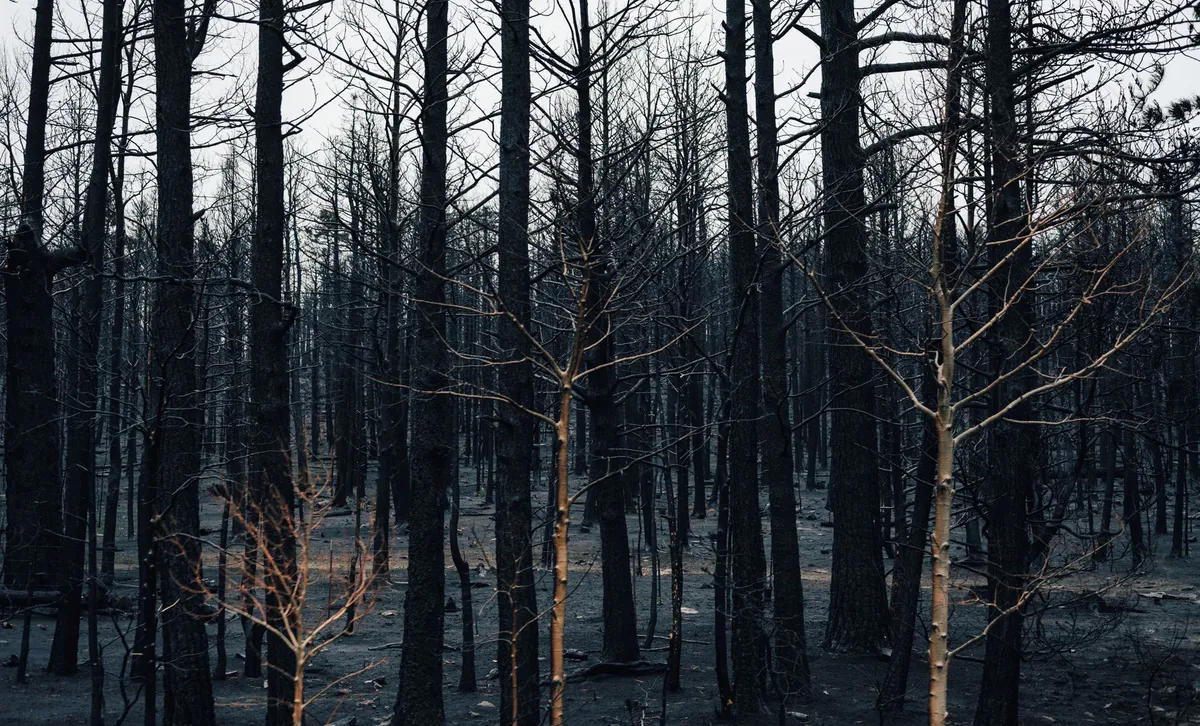
Understanding the Science of Smoke Damage
To effectively address smoke damage claims, it's essential to start with a solid understanding of the science behind wildfire smoke and its effects on structures. The impact of wildfire smoke is influenced by a range of environmental factors, including wind patterns, temperature, and terrain. Environmental scientists refer to this as the "fate and transport" of contaminants, a process that dictates how harmful substances are emitted, dispersed, and ultimately deposited in the aftermath of a wildfire.
The Dynamics of Contamination
Wildfire smoke carries a plethora of contaminants, including heavy metals and semi-volatile organic compounds (SVOCs), which can adhere to particulates such as soot, ash, and char. Properties located close to the fire typically experience a higher concentration of airborne contaminants, while those farther away may encounter diluted and chemically transformed residues. This established pattern gives rise to classifications such as burn zones, near fields (0.06 to 6.2 miles), and far fields (beyond 6.2 miles), which are critical for understanding exposure risks and guiding response strategies.
Assessing Exposure Risks
Understanding how smoke infiltrates buildings is paramount for assessing exposure risks. Residues from wildfires can enter structures through:
- Envelope leakage around doors and windows
- HVAC systems and pressure differentials
- Occupant activities during or after the fire
Once inside, these materials can contribute to exposure through multiple pathways, including inhalation, dermal contact, and incidental ingestion. While the health effects of airborne smoke exposure are well understood, the long-term implications of settled wildfire residues remain less transparent. This uncertainty necessitates a structured, evidence-based evaluation approach rather than assumptions based on limited data.
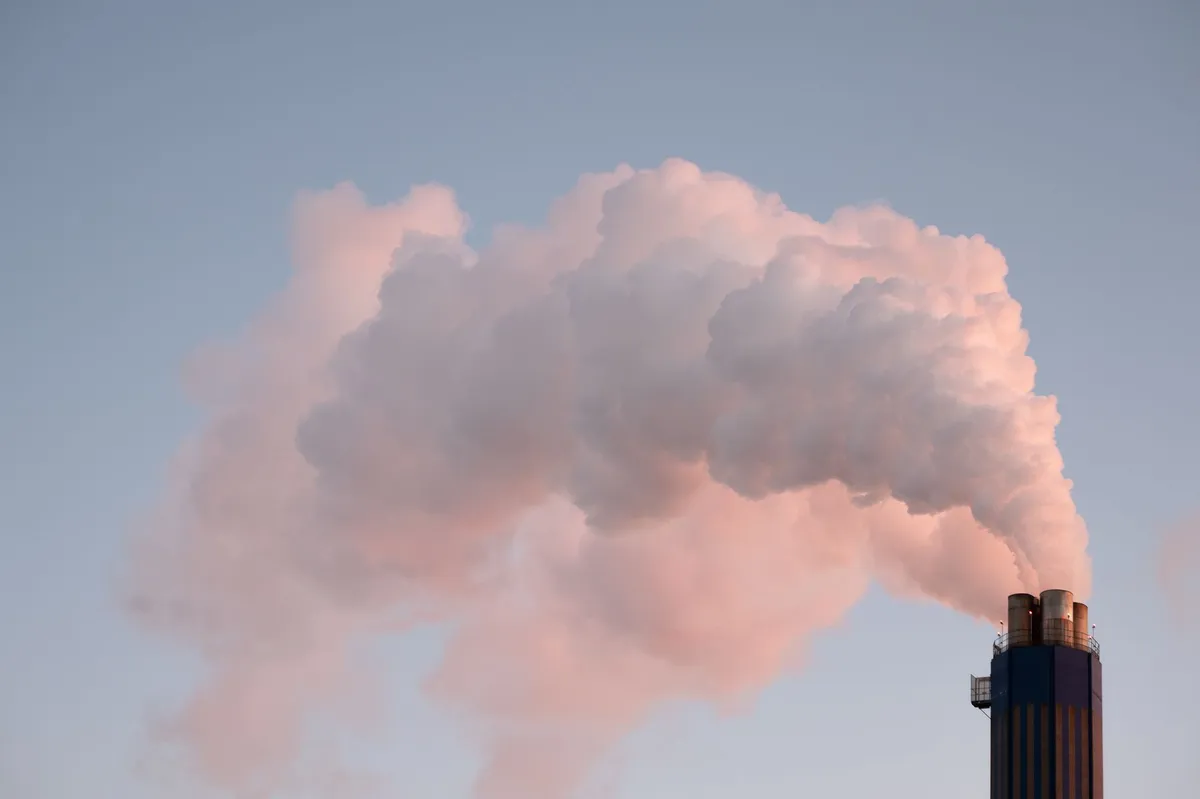
The Role of Vulnerability in Claims
Not all properties carry the same level of risk when it comes to smoke damage. Certain environments, such as schools, healthcare facilities, and homes with infants or elderly occupants, require heightened sensitivity to potential exposure, even at lower contamination levels. For insurers, this creates a practical reality: the same laboratory results may lead to different conclusions depending on the occupancy type and the vulnerability of its inhabitants. A defensible evaluation must take these contextual factors into account.
Sampling Strategies: Winning or Losing Claims
Sampling and laboratory analysis are often pivotal in disputed wildfire claims. Effective sampling not only confirms impact but also validates the effectiveness of remediation efforts. A defensible sampling strategy should follow established consensus guidelines, including those from the American Industrial Hygiene Association (AIHA) and the Institute of Inspection, Cleaning and Restoration Certification (IICRC). Key components of a robust sampling strategy include:
- Multiple sampling locations within living spaces
- Extending sampling to exterior areas and ancillary structures
- Consistent methodology and chain-of-custody records
Proper interpretation of results is equally important. It is critical to differentiate wildfire residues from background environmental dust and other confounding sources. The mere presence of particulates does not infer damage or health risks without further context.
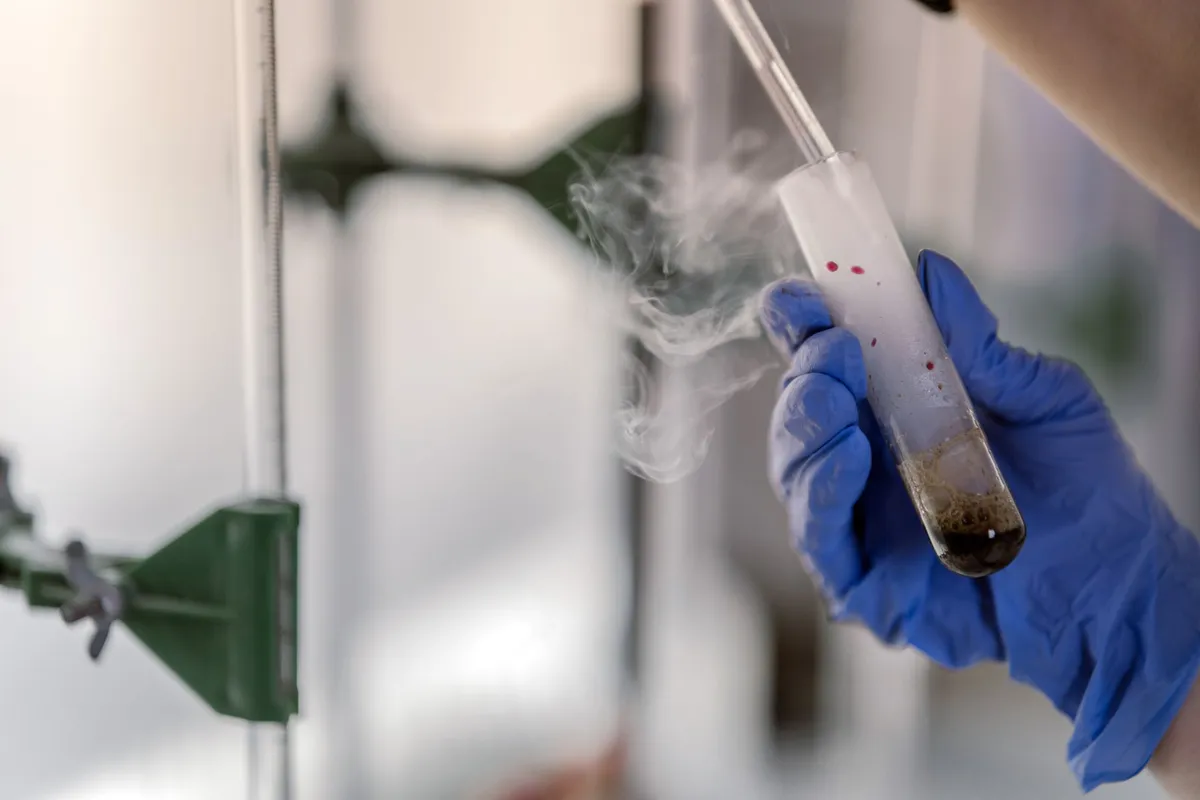
Legal Considerations and Documentation
Across jurisdictions, one recurring theme in litigation is the adequacy of documentation in wildfire claims. Insurers must maintain a robust claim file that includes:
- Photographic evidence of conditions and damages
- Detailed descriptions of observed residues
- Sampling plans and methodologies used
- The rationale behind conclusions, including consideration of alternative explanations
Documentation serves as the best defense against potential claims of bad faith. Insurers are obligated to evaluate and address competing expert opinions through qualified experts, ensuring that they uphold their duty of good faith and fair dealing.
Prioritizing Health and Safety
In wildfire and smoke damage claims, the immediate priority should be confirming life safety and the habitability of affected properties. This aligns with core duty-of-care obligations and guidance from relevant authorities, including the AIHA and the Environmental Protection Agency (EPA). The evaluation process should begin with identifying conditions that pose acute health risks, such as airborne particulates and toxic gases.
Understanding Exposure Versus Presence
The mere presence of combustion byproducts does not automatically translate to harmful exposure. Determining exposure requires a thorough evaluation of acute risk conditions and potential long-term effects. By prioritizing health and safety, insurers can mitigate risks associated with bad faith claims while ensuring that policyholders receive the support they need.

Key Takeaways
- Smoke Damage Complexity: Smoke damage involves nuanced assessments beyond simple burn criteria.
- Context Matters: Vulnerability of occupants and property type significantly influence exposure risks.
- Sampling is Critical: Proper sampling strategies can make or break a wildfire claim.
- Document Thoroughly: Robust documentation is essential to defend against potential litigation.
Frequently Asked Questions
What should I do if I suspect smoke damage in my home?
If you suspect smoke damage, it’s important to document everything clearly. Take photographs of any visible residues or damage, and consider consulting a professional to assess potential contamination. Contact your insurance company promptly to report the situation and initiate the claims process.
How can insurance companies determine the impact of smoke damage?
Insurance companies assess smoke damage by employing comprehensive forensic inspections and following established industrial hygiene principles. This includes sampling for contaminants, evaluating exposure pathways, and considering the vulnerability of occupants to determine appropriate remediation strategies.
Are there specific guidelines for testing smoke-related chemicals?
Currently, few standardized testing protocols exist for smoke-related chemicals in residences. Insurers and property owners should rely on guidelines set forth by organizations such as the AIHA and the IICRC to ensure that their testing methods are scientifically valid and defensible in claims disputes.
What should be included in a smoke damage claim file?
A comprehensive smoke damage claim file should include photographic evidence, detailed descriptions of observed conditions, sampling plans, methodologies, and a thorough rationale for conclusions reached. This documentation will be critical for supporting the claim and defending against potential disputes.
Comments
Presurance Focuses on Texas Homeowners Amid Market Shifts
Presurance Holdings transitions exclusively to Texas homeowners insurance after exiting commercial lines, reporting a mixed Q2 for 2026. The company shows signs of improvement in underwriting but faces challenges from severe weather losses.
Related articles

Popular in Home Insurance
- 2026 Sees Below-Average Severe Convective Storm Losses: What It Means for Insurance
- El Niño and Wildfires: Preparing for a Fire-Prone Future
- Young Affluent Collectors: The Underinsurance Dilemma in Luxury Investments
- Wisconsin Property Owner Sues City and Insurers Over Contamination Cleanup Costs
- Rising Catastrophe Risks: How Europe’s Insurers Are Adapting to Climate Change