Navigating the New Landscape of Fine Art Insurance for Young Collectors
As Gen Z and millennials reshape the art market through digital platforms, understanding the intricacies of fine art insurance has never been more essential. This article explores the evolving needs of today's collectors and the risks they face.

In recent years, the landscape of art collecting has undergone a seismic shift, primarily driven by the digital prowess of Gen Z and millennial collectors. Unlike previous generations who relied heavily on galleries, auction houses, and dealers, these younger buyers are increasingly turning to social media, online auctions, and direct purchases from artists. This transformation has opened up new access points for art acquisition but has also introduced a range of risks that many collectors may not fully comprehend. As Kyle McGrath, head of US fine art and specie for North America at Markel, notes, "In today's world, art collecting has never been more accessible in terms of the access points and the ways in which young collectors are purchasing." However, accessibility does not equate to understanding the complexities of art insurance, transportation, and long-term care.
According to Artsy's "Art Collector Insights 2024," a staggering **82% of collectors aged 36 or younger reported purchasing art online**. This statistic underscores the need for young collectors to be well-informed about the post-purchase risks that accompany their newfound access to art. With the estimated **41.5 million art-market transactions** projected for 2025, a substantial portion of these buyers are novices who may lack the traditional mentorship that seasoned collectors typically benefit from. The implications for fine art insurance are significant, as this younger demographic navigates a world where the lines between traditional collecting practices and modern digital behaviors are increasingly blurred.
The Changing Face of Art Collecting
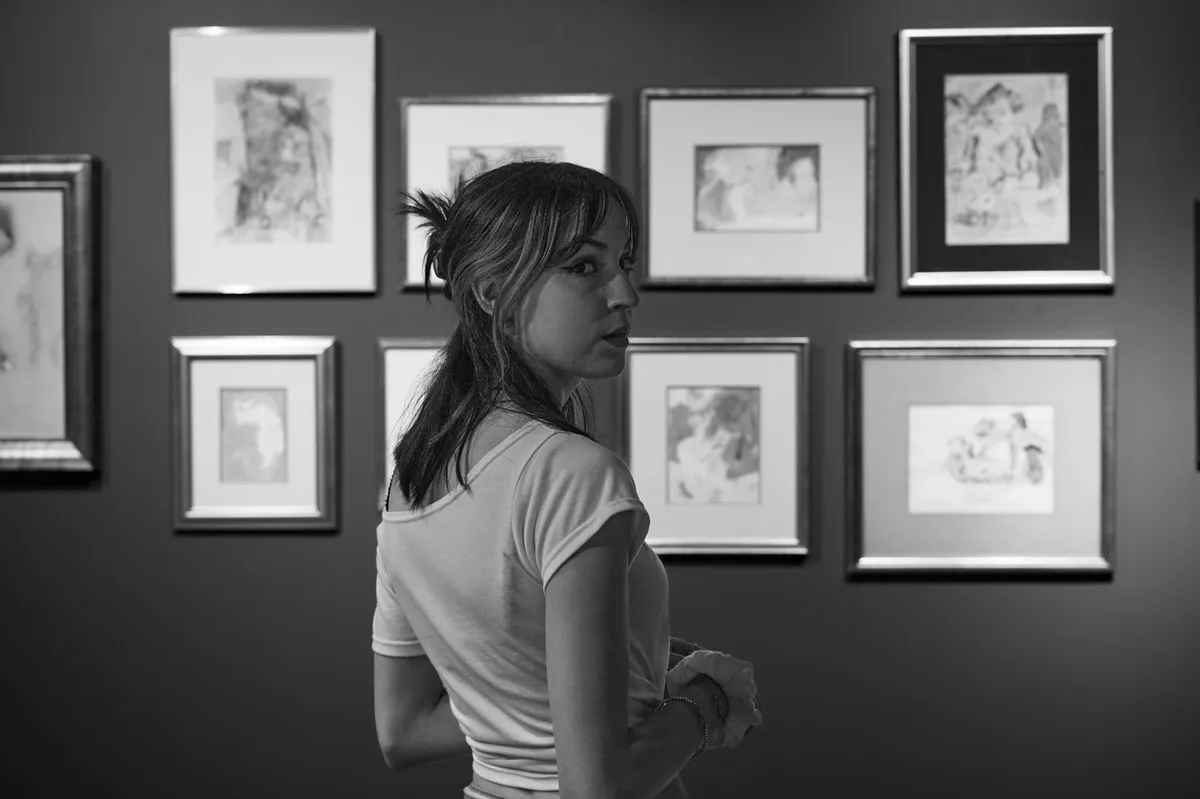
Understanding the shift in how art is collected is crucial for grasping the current insurance landscape. The democratization of art—driven by platforms like Instagram and online auction sites—has fundamentally altered the profiles of art buyers. Younger collectors often discover artists through social media, following their journeys and purchasing works directly from their feeds. This method of acquisition contrasts sharply with the traditional model, where established networks and relationships played a crucial role in the buying process.
Art fairs, once the domain of elite collectors, are now vibrant cultural and social events that attract a broader audience. Many attendees may stumble upon their first art purchase without the benefit of experienced advisers or a thorough understanding of the complexities involved in art ownership, such as insurance, transportation, and valuation.
Understanding the Risks Involved
While purchasing art has become easier, the risks associated with ownership have not diminished. McGrath emphasizes that the most vulnerable time for a piece of art is often after the purchase is made. **"The second that a painting is taken off the wall and put on the back of a truck, or is being shipped to its end location, that's an incredibly vulnerable time,"** she notes. This vulnerability highlights the necessity of proper insurance coverage and risk management strategies.
The Importance of Condition Reports
One of the essential practices for art collectors is to obtain condition reports both before and after transportation. This documentation can prove invaluable in determining when and where damage occurred, should a claim be necessary. Engaging specialized fine art packers and shippers can further reduce the risk of damage during transit. Additionally, planning ahead for transportation and storage can safeguard artworks from potential disasters, such as natural catastrophes.
Natural Catastrophes and Long-Term Planning
As climate change continues to impact weather patterns, the urgency for long-term risk planning becomes paramount. McGrath suggests that collectors should consider relocation of artworks to higher floors during storms or flooding. This precaution, alongside proper insurance coverage, can significantly mitigate loss risks. Interestingly, she warns against the common misconception that modest collections do not warrant specialist coverage. **"Losses can happen just as easily to a small policy as they can to a big one,"** she says, indicating that all collectors should be vigilant about securing appropriate insurance, regardless of the size of their collection.
Choosing the Right Insurance Policy
The choice of insurance policy is a critical consideration for art collectors, especially in the current market. While some might assume that their homeowners or renters insurance policies are sufficient, McGrath advocates for standalone fine art policies. These dedicated policies offer tailored wording, specialist claims handling, and access to relevant vendors, making them a more effective choice for collectors.
Understanding Coverage Options
Most fine art policies are written on an all-risk basis, meaning they cover direct physical loss or damage, subject to standard exclusions. However, as new forms of media and online purchasing behaviors emerge, questions may arise regarding how claims are handled. Collectors should ensure they fully understand their policy's language and any exclusions that may apply, thereby empowering them to make informed decisions about their art investments.
Record Keeping and Valuation
Another critical aspect of art ownership involves maintaining accurate records of purchases, including invoices and provenance documents. These records not only help establish the value of a collection but can also be crucial when filing claims. McGrath advises collectors to periodically reassess whether updated appraisals are needed, as the value of art can fluctuate significantly over time. This is especially true for younger collectors who are still building their relationships with art advisers, consultants, and appraisers.
Long-Term Stewardship of Art Collections
The principles of stewardship apply universally to art collectors, whether they are purchasing their first piece or managing a vast collection. McGrath reiterates the importance of understanding what one is buying, planning for transportation, ensuring proper storage and protection at home, and adopting a long-term view of art ownership. **"Clients need to understand what they're buying, think carefully about how it's transported, how they're storing it or protecting it in their home, and really take a long-term view of stewardship,"** she advises.
As the art market continues to evolve, young collectors must adapt to an environment where their buying behaviors and preferences shape the future of fine art collecting. By equipping themselves with knowledge about the associated risks and insurance options, they can better navigate this exciting yet complex landscape. Understanding the importance of insurance, proper documentation, and long-term care will ultimately enhance their experience as collectors and protect their investments for years to come.
Key Takeaways
- **Digital platforms have revolutionized art collecting, but risks remain.**
- **Condition reports are crucial for protecting artworks during transport and storage.**
- **Standalone fine art insurance policies offer tailored coverage and claims handling.**
- **Regular appraisals and proper documentation are essential for maintaining the value of your collection.**
- **Long-term stewardship is key to successful art ownership.**
Frequently Asked Questions
What should young collectors know about art insurance?
Younger collectors should understand that art insurance is essential for protecting their investments. Unlike standard homeowners or renters insurance, fine art policies are tailored to the unique needs of art collectors, covering a broader range of potential risks. It's important to consult with insurance experts who specialize in fine art to ensure adequate coverage.
How can collectors reduce the risk of damage during transportation?
To minimize the risk of damage when transporting art, collectors should use specialized fine art packers and shippers who are experienced in handling valuable pieces. Additionally, obtaining condition reports before and after transportation can help document any changes to the artwork's condition, which is critical for future claims.
Why is it important to maintain accurate records of art purchases?
Maintaining accurate records of art purchases, including invoices and provenance documents, is crucial for establishing the value of a collection and for insurance purposes. These records can facilitate the claims process in the event of loss or damage and can also assist in ensuring that artworks are properly appraised over time.
What role does social media play in art collecting?
Social media has transformed the way collectors discover and purchase art, making it more accessible than ever. However, it also raises security concerns, as posting about valuable collections can reveal their existence and location to potential thieves. Collectors should balance the benefits of engaging with the art community online with the risks of exposure.
Comments
Presurance Focuses on Texas Homeowners Amid Market Shifts
Presurance Holdings transitions exclusively to Texas homeowners insurance after exiting commercial lines, reporting a mixed Q2 for 2026. The company shows signs of improvement in underwriting but faces challenges from severe weather losses.

Related articles




Popular in Home Insurance
- 2026 Sees Below-Average Severe Convective Storm Losses: What It Means for Insurance
- El Niño and Wildfires: Preparing for a Fire-Prone Future
- Young Affluent Collectors: The Underinsurance Dilemma in Luxury Investments
- Wisconsin Property Owner Sues City and Insurers Over Contamination Cleanup Costs
- Rising Catastrophe Risks: How Europe’s Insurers Are Adapting to Climate Change