Understanding the Surge in Home Insurance Premiums: A Deep Dive
Home insurance costs are rising significantly, driven by factors beyond mere home value increases. This article explores the underlying reasons for these hikes and what homeowners can expect in the future.
Many homeowners are scratching their heads as they notice their insurance bills climbing higher and higher each year. While it may seem intuitive to link these increases to the rising value of their homes, the reality is much more complex. Between 2019 and 2024, the median U.S. home price soared by approximately 50%, from $271,900 to $407,500, according to data from the National Association of Realtors. However, during the same period, homeowners faced a staggering 62% rise in insurance premiums, as reported by the Federal Reserve Bank of Dallas. This disconnect between home values and insurance costs raises crucial questions about the factors driving these increases and the implications for homeowners across the country.
This article delves into the multifaceted reasons behind the surge in home insurance premiums, exploring the implications for homeowners, and offering insights on what they can do to navigate this challenging landscape.
Rebuilding Costs: The Foundation of Premium Increases
One of the primary drivers of rising home insurance costs is the escalating expense of rebuilding homes. Since 2020, the cost of materials and labor required for construction has increased significantly. According to Verisk, a data analytics firm specializing in insurance, reconstruction costs rose by a cumulative 55% between 2020 and 2023. These costs have begun to moderate but remain elevated, with a 5.2% increase recorded in the year leading up to July 2024. Such rising costs directly impact dwelling coverage limits and, consequently, homeowners' premiums.
Why Rebuilding Costs Matter
The connection between rebuilding costs and insurance premiums is straightforward: as the cost to reconstruct a home rises, insurers must adjust coverage limits to ensure that policyholders are adequately protected. For example, if the average cost to rebuild a home in a given area increases from $200,000 to $310,000, the dwelling coverage limit must also rise to match this new cost. Consequently, homeowners may see their premiums increase as insurers adjust to cover these higher costs.

Catastrophe Losses: A Growing Concern
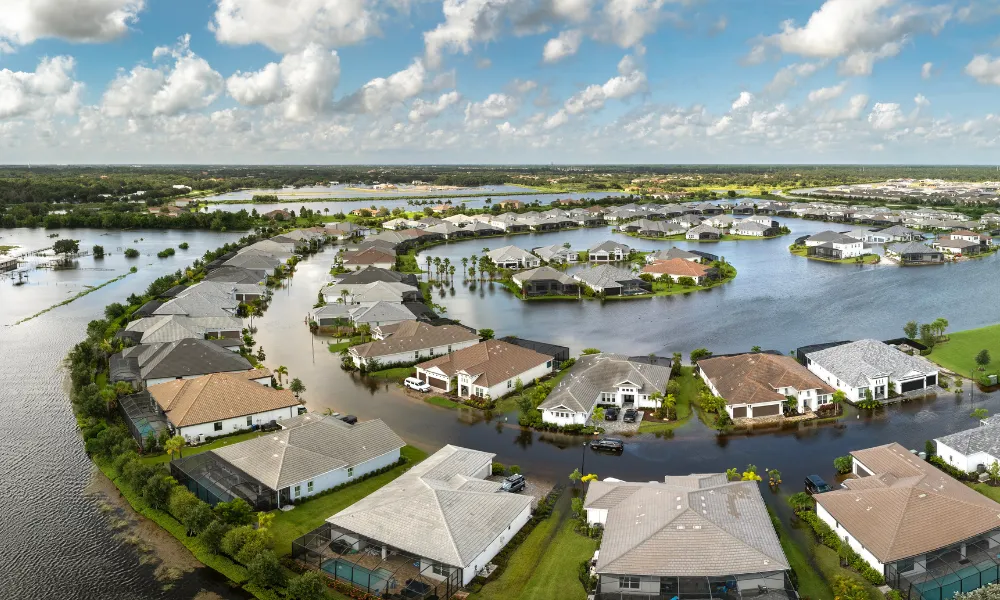
Another significant factor contributing to the rise in home insurance premiums is the increase in catastrophe losses. The Federal Reserve Bank of Dallas found that insurer losses nearly doubled between 2019 and 2024, driven by a surge in severe weather events. This includes a growing frequency of hurricanes, wildfires, floods, and convective storms, which have resulted in monumental claims payouts.
Real-World Examples of Catastrophe Losses
To illustrate the magnitude of these losses, consider the devastating wildfires in Los Angeles in January 2025, which destroyed approximately 12,000 homes and led to over $22 billion in claims. Similarly, severe convective storms caused insured losses exceeding $52 billion, marking the third-highest total on record. With such monumental payouts, many insurers are losing money on homeowners' insurance. For instance, State Farm reported that it paid around $1.26 in claims for every dollar collected in premiums in Illinois in 2024.
The Role of Reinsurance in Premium Increases
Reinsurance, or insurance for insurance companies, is another crucial factor influencing homeowners' premiums. When primary insurers are unable to absorb correlated catastrophe losses, they turn to reinsurers for coverage. This market faced sharp price increases from 2022 to early 2024 due to several years of heavy global losses. The cost of reinsurance rose by an astounding 107% during this five-year period, a significant factor that contributes to the premiums homeowners pay.
How Reinsurance Affects Homeowners
The increased costs of reinsurance ultimately flow down to the homeowners. As primary insurers adjust their rates to accommodate the higher costs of reinsurance, premiums for homeowners are also likely to rise. This trend is particularly pronounced in high-risk areas, where private insurers are increasingly pulling back, leading to a surge in state-backed 'insurer of last resort' programs. In California, for example, the FAIR Plan saw enrollment jump by 43% between September 2024 and December 2025, with dwelling policies more than doubling over four years, pushing total exposure beyond $458 billion.

The Economic Landscape: Inflation and Its Impact
Interestingly, two common economic indicators, the Consumer Price Index (CPI) and the Personal Consumption Expenditures (PCE) index, have not adequately captured the true extent of rising homeowners' insurance costs. While the CPI's tenant and household insurance component saw only a 5% increase from 2019 to 2024, actual homeowners' premiums surged by 62%. This disparity highlights a crucial point: the prevailing measures of inflation do not reflect the broader financial realities affecting homeowners.
Understanding the Discrepancy
The CPI primarily measures renters' insurance policies, which differ significantly from homeowners' policies. Meanwhile, the PCE index, which nets out expected claims payouts, increased by a comparatively modest 35%. These measurements miss the mark, as they capture different aspects of the insurance landscape and do not account for the unique pressures facing homeowners today.
Future Projections: What Homeowners Can Expect
Looking ahead, while the steepest increases in premiums may have plateaued, the trend is not reversing. Matic's year-end data indicates that the average premium for a new policy rose by 8.5% in 2025, down from an 18% spike in 2024. However, deductibles have also climbed by another 22% as insurers shift more risk back onto homeowners. As a result, Insurify's tracking estimates the national average premium will reach $2,948 by the end of 2025, with further projections indicating a 4% rise to $3,057 in 2026.
Navigating the New Normal
While the insurance market is currently described as being in a fragile state, there are measures homeowners can take to manage their insurance costs effectively. Understanding the reasons behind rising premiums allows homeowners to have more informed discussions with their insurance agents. Recognizing that the increases are not solely tied to home values can help homeowners better navigate their policies and explore options to mitigate costs.

Key Takeaways
- Home insurance premiums have risen 62% since 2019, outpacing home value increases.
- Rising rebuilding costs, catastrophe losses, and reinsurance costs significantly impact premiums.
- Standard inflation measures do not accurately reflect the rising costs of homeowners' insurance.
- Future premium increases are expected, but the rate of growth may moderate.
- Homeowners can benefit from understanding the underlying factors driving their insurance costs.
Frequently Asked Questions
Why are my home insurance premiums increasing if my home's value is stable?
Home insurance premiums can increase for several reasons that are independent of your home's market value. Rising rebuilding costs, driven by inflation in construction materials and labor, are a primary factor. Additionally, increased claims resulting from natural disasters and the costs of reinsurance also contribute to higher premiums. Therefore, even if your home's value remains stable, your insurance costs may still rise due to these external factors.
What can I do to lower my home insurance premium?
Homeowners can take several steps to potentially lower their insurance premiums. Increasing your deductible can reduce your premium, but it also means paying more out-of-pocket in the event of a claim. Shopping around for different insurance providers and comparing quotes can also lead to more competitive rates. Additionally, implementing home safety measures, such as installing a security system or making your home more disaster-resistant, can translate to discounts on your policy.
How does the reinsurance market affect my home insurance rates?
The reinsurance market plays a significant role in determining homeowners' insurance rates. When primary insurers face substantial losses from catastrophic events, they purchase reinsurance to mitigate their risk. If the reinsurance market faces price increases, which have occurred recently, those costs are passed down to homeowners in the form of higher premiums. As a result, fluctuations in the reinsurance market can directly impact the rates you pay for your homeowners' insurance.
Is there any relief in sight for rising home insurance premiums?
While the steepest increases in premiums may have passed, relief may be limited. Analysts suggest that the insurance market remains fragile, particularly in high-risk areas. Future increases may moderate, but homeowners should remain vigilant and proactive in understanding their policies and exploring ways to manage costs effectively. It's essential to stay informed about market trends and engage with insurance agents to navigate the evolving landscape.
Comments
Presurance Focuses on Texas Homeowners Amid Market Shifts
Presurance Holdings transitions exclusively to Texas homeowners insurance after exiting commercial lines, reporting a mixed Q2 for 2026. The company shows signs of improvement in underwriting but faces challenges from severe weather losses.
Related articles





Popular in Home Insurance
- 2026 Sees Below-Average Severe Convective Storm Losses: What It Means for Insurance
- El Niño and Wildfires: Preparing for a Fire-Prone Future
- Young Affluent Collectors: The Underinsurance Dilemma in Luxury Investments
- Wisconsin Property Owner Sues City and Insurers Over Contamination Cleanup Costs
- Rising Catastrophe Risks: How Europe’s Insurers Are Adapting to Climate Change