The Rising Threat of Wildfire: Understanding Property Risks and Insurance Implications
As wildfire risks escalate across Western states, property values at risk have reached $1.4 trillion. This article explores the implications for homeowners, insurers, and brokers in navigating these emerging challenges.
As wildfire seasons grow longer and more intense, the implications for property owners and insurers are staggering. According to Cotality's 2026 Wildfire Risk Report, more than 2.5 million properties across the western United States are now classified as having moderate or greater wildfire risk, representing a collective reconstruction cost value of nearly $1.4 trillion. This dramatic increase underscores the urgent need for homeowners and insurance professionals alike to reassess risk management strategies and prepare for the evolving landscape of wildfire exposure.
California remains the epicenter of this risk, housing approximately 1.28 million at-risk properties valued at around $850 billion in potential reconstruction costs. However, alarmingly, almost half of the properties at risk from wildfires are situated outside California, with states like Colorado and Texas contributing significantly to the national landscape of wildfire vulnerability. This shift signals a broader trend that could alter how insurance is approached in regions that have not traditionally faced such threats.
Understanding the Scope of Wildfire Risk
The Cotality report highlights that Colorado and Texas alone account for a combined total of nearly 560,000 at-risk properties, valued at approximately $252 billion. This emerging risk is not confined to historic fire zones; metro areas like Austin and San Antonio are becoming hotbeds of wildfire exposure due to rapid population growth and urban sprawl into wildland-urban interface zones. Austin, for instance, has more than 100,000 properties at risk, valued at $49.2 billion, indicating a significant shift in where wildfire risks are concentrated.
- California: 1.28 million properties, $850 billion risk
- Colorado and Texas: Nearly 560,000 at-risk properties, $252 billion risk
- Los Angeles: 250,000 at-risk properties, $209 billion risk
- Austin: 100,000 at-risk properties, $49.2 billion risk
The Conflagration Factor: A New Dimension in Risk Assessment
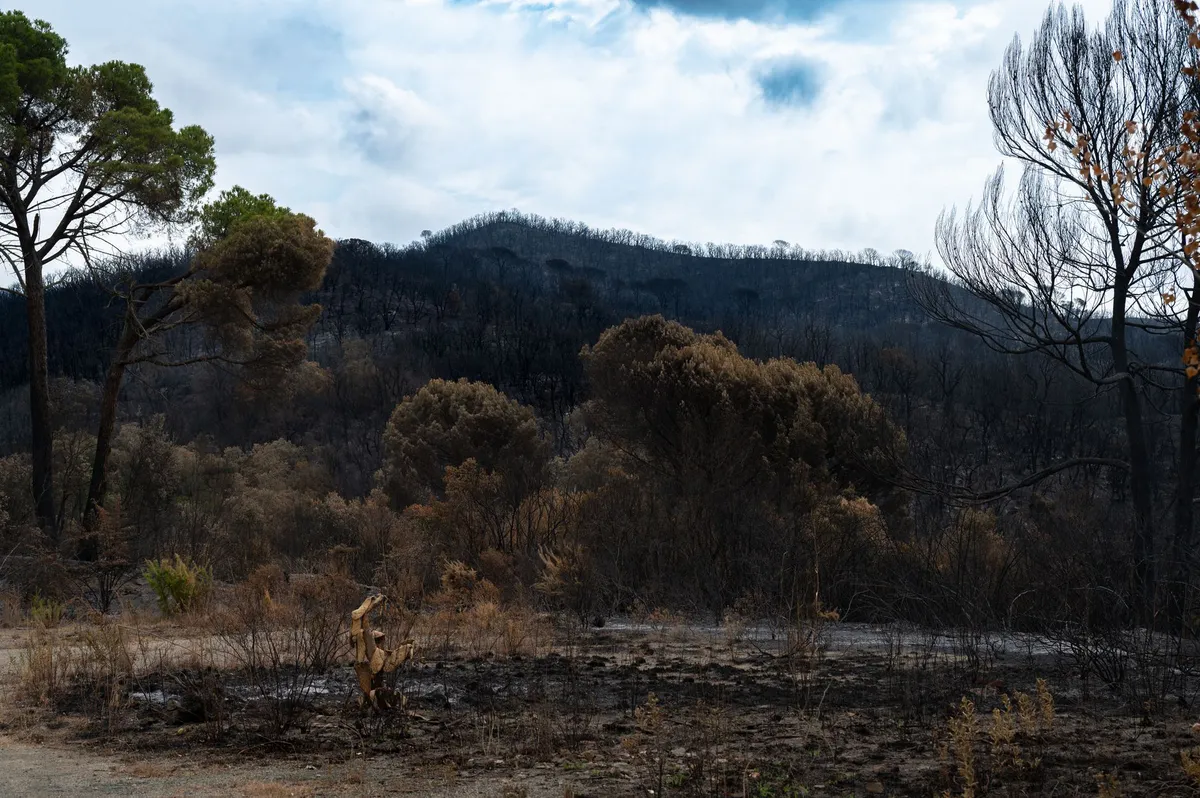
One of the pivotal findings of the Cotality report is the concept of conflagration—where wildfires transition from natural vegetation into built environments, spreading from structure to structure. This process significantly amplifies the risk for properties that may have previously been classified as low-risk. The report indicates that incorporating conflagration potential into standard wildfire risk assessments can add as many as 40 points to a property's risk score. This shift in scoring methodology is crucial for insurance brokers and homeowners alike, as it reflects a more nuanced understanding of risk that goes beyond mere proximity to wildland vegetation.
Implications for Insurance Brokers
This change in risk assessment means that brokers must adapt their strategies. A property owner's increased risk score—without any physical changes to the property—may now reflect the broader implications of conflagration modeling. Brokers need to communicate effectively with clients about what factors contribute to this score, such as structure density, building materials, wind patterns, and ember exposure. Understanding these elements will equip brokers to guide clients in enhancing their properties' resilience against wildfires.

Policy Developments: States Taking Action
In response to these alarming trends, state legislatures are beginning to update policies to better reflect wildfire risks. For instance, Colorado's HB25-1182, signed into law in May 2025 and effective from July 1, 2026, mandates that insurers disclose wildfire scores and classifications to homeowners. This law also requires insurers to offer discounts for mitigation efforts and defend their risk assessments if challenged by homeowners.
California's Sustainable Insurance Strategy has also recognized the need for reform, permitting insurers to use forward-looking wildfire models in their ratemaking processes for the first time. These models must account for property-level mitigation efforts, including home hardening and defensible space. Such regulatory changes are designed to ensure that homeowners are aware of their wildfire risk and incentivized to take steps to mitigate it.
Mitigation: The Key to Lowering Risk Scores
Another significant aspect of the report is the correlation between preparedness and expected losses. Homes that scored in the top 10% for mitigation efforts had expected losses approximately 78% below the statewide average. Conversely, homes scoring in the bottom 10% faced expected losses that were over ten times greater than those in well-prepared homes—about $47 in expected loss for every $1 associated with the best-prepared properties.
Effective Mitigation Strategies
Homeowners can take several practical steps to improve their mitigation scores and lower their risk exposure:
- Implement defensible space by clearing flammable vegetation around the property.
- Invest in fire-resistant building materials for roofing and siding.
- Install ember-resistant vents to prevent embers from entering the home.
- Maintain a well-watered landscape to reduce fire fuel.

Key Takeaways
- Over 2.5 million properties across 10 states face significant wildfire risk.
- California still has the highest concentration of at-risk properties, but risks are spreading to other states.
- Conflagration modeling adds complexity to risk assessments, requiring brokers to adapt their strategies.
- State policies are evolving to enhance transparency and accountability in wildfire risk management.
- Mitigation strategies can significantly reduce expected losses and improve insurance outcomes.
Frequently Asked Questions
What is conflagration, and why is it important for property owners?
Conflagration refers to the rapid spread of fire from wildland vegetation into built environments, often leading to catastrophic losses. This phenomenon is crucial for property owners because it can dramatically increase their risk scores, even for homes that may have previously been classified as low risk. As insurance models increasingly incorporate conflagration potential, homeowners need to understand how this impacts their insurance premiums and coverage options.
How can property owners improve their wildfire risk score?
Homeowners can enhance their wildfire risk scores by implementing effective mitigation strategies. This includes creating defensible space around their properties, using fire-resistant materials in construction, ensuring proper landscaping, and maintaining adequate fire breaks. These actions not only help in reducing risk but can also lead to lower insurance premiums as insurers recognize the proactive efforts of homeowners.
What should insurance brokers do in light of changing wildfire risk assessments?
Insurance brokers must stay informed about the latest developments in wildfire risk assessment and mitigation strategies. They should be prepared to discuss the factors influencing risk scores with their clients, particularly the implications of conflagration modeling. Brokers should also familiarize themselves with state regulations concerning wildfire risk disclosures to better assist clients in navigating their insurance options and appealing risk assessments if necessary.
Comments
Presurance Focuses on Texas Homeowners Amid Market Shifts
Presurance Holdings transitions exclusively to Texas homeowners insurance after exiting commercial lines, reporting a mixed Q2 for 2026. The company shows signs of improvement in underwriting but faces challenges from severe weather losses.
Related articles



Popular in Home Insurance
- 2026 Sees Below-Average Severe Convective Storm Losses: What It Means for Insurance
- El Niño and Wildfires: Preparing for a Fire-Prone Future
- Young Affluent Collectors: The Underinsurance Dilemma in Luxury Investments
- Wisconsin Property Owner Sues City and Insurers Over Contamination Cleanup Costs
- Rising Catastrophe Risks: How Europe’s Insurers Are Adapting to Climate Change