Bridging the Flood Insurance Protection Gap: The Case for Endorsements
As flooding increases across the U.S., many homeowners remain uninsured. Adding flood endorsements to existing policies may offer a practical solution to this coverage gap.

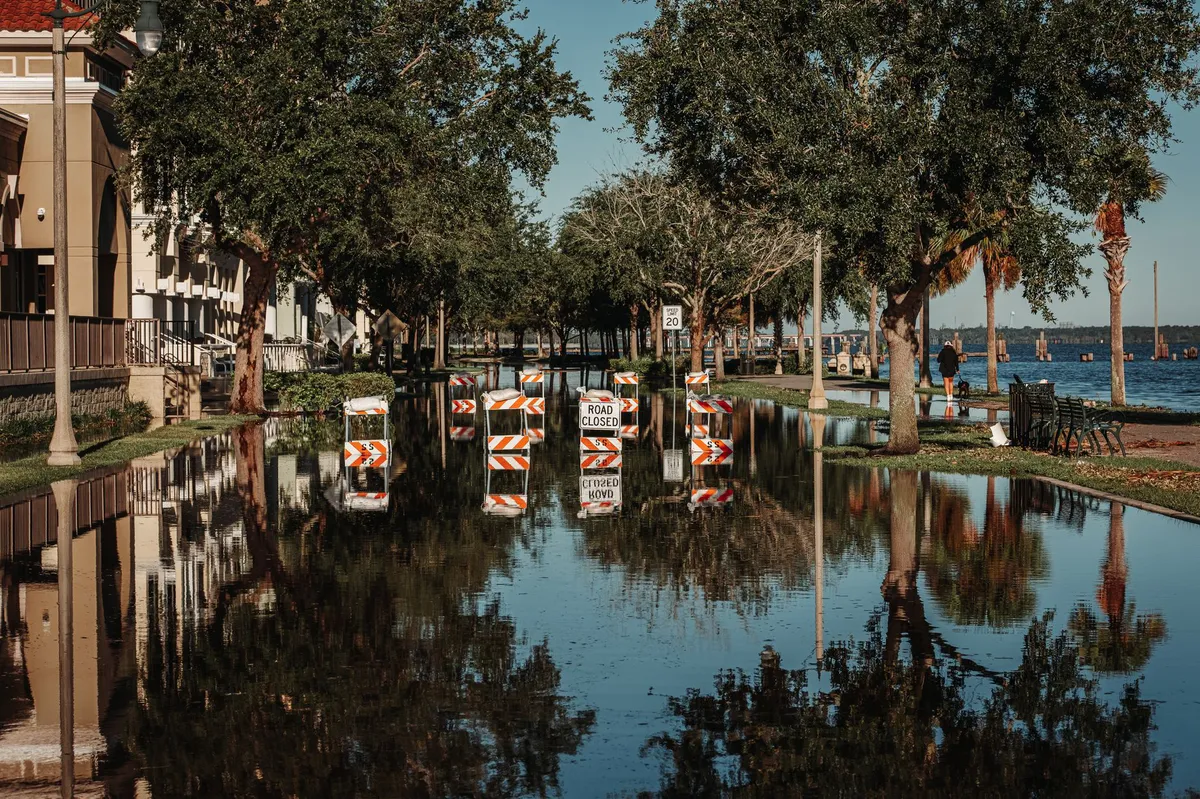
In recent years, the United States has faced devastating flooding incidents, from the torrential rains in Kentucky to thunderstorms wreaking havoc across the Plains and Midwest. These events have resulted in staggering financial losses, with flooding alone costing billions in insured losses in 2025. Yet, a troubling statistic reveals that less than four percent of American homes are fortified with flood coverage, leaving a vast majority vulnerable. Historical data underscores this protection gap: between 2000 and 2024, insured flood losses in the U.S. totaled $319 billion, while uninsured losses skyrocketed to an alarming $1.58 trillion. Furthermore, projections suggest that uninsured losses could surge by an additional 25% by 2050, primarily due to climate change and increasing weather volatility. Against this backdrop, a pragmatic solution is emerging: flood endorsements.
Flood endorsements represent a strategic way for homeowners to bolster their existing property insurance policies without the burden of purchasing standalone flood insurance, which can be prohibitively expensive. According to Seth Piechowski, a senior market development manager at Munich Re US, flood endorsements can offer substantial advantages, particularly for those living outside designated flood zones. By adding these endorsements to their current policies, homeowners can obtain more comprehensive coverage tailored to their needs while minimizing costs.
The Challenge of Underinsurance
Despite the alarming statistics surrounding flood-related losses, many homeowners fail to secure adequate flood insurance, often due to misconceptions about their risk or the perceived cost of coverage. The National Flood Insurance Program (NFIP) reports that a staggering 40% of flood insurance claims originate from areas outside Special Flood Hazard Areas (SFHAs), underscoring the reality that floods can strike anywhere.
Standalone flood insurance policies can be expensive, with premiums that may reach into the hundreds or even thousands of dollars annually, especially for properties located in high-risk areas. Many homeowners opt to self-insure, a risky decision that leaves them vulnerable to significant financial loss in the event of a flood. By contrast, flood endorsements typically cost between $40 to $50 per year, offering a far more economical way to secure coverage without the hassle of managing multiple policies.
Understanding Flood Endorsements
Flood endorsements are essentially add-ons to existing homeowners or property insurance policies. They can provide coverage for buildings and personal property at or near replacement cost, making them a viable alternative to standalone flood policies. This means that homeowners can protect their investments without the complexity and higher costs associated with separate flood insurance.
Benefits of Flood Endorsements
- Cost-Effective: Endorsements are generally much cheaper than standalone flood policies, making them accessible to more homeowners.
- Simplified Claims Process: With a single policy, homeowners only need to deal with one insurance carrier, streamlining the claims process in the event of a loss.
- Comprehensive Coverage: Endorsements can often provide coverage limits that may exceed those of standalone policies, enhancing the protection for homeowners.
- Convenience: Homeowners can easily add endorsements to their existing policies without needing to navigate complicated options across different insurance providers.
By opting for a flood endorsement, property owners can mitigate their risk without the burden of managing multiple insurance policies. This streamlined approach not only reduces the complexity of policy management but also enhances the overall insurance experience.

How Endorsements Work in Practice
When a loss occurs, the advantages of having a flood endorsement become evident. Homeowners working with a single insurance carrier can file one claim, which simplifies the process significantly. As Piechowski points out, this can be especially beneficial in cases where multiple perils may have caused damage, such as basement flooding combined with water backup issues. Having one claims adjuster assigned to a case can lead to quicker resolutions and less confusion compared to managing separate adjusters for different types of claims.
Moreover, the peace of mind that comes with having a flood endorsement is invaluable. Homeowners can feel secure knowing that for a relatively small premium, they can protect themselves against potentially devastating financial losses. Instead of risking significant out-of-pocket expenses due to flooding, homeowners can invest in an endorsement that covers tens of thousands of dollars in damages.

Aligning with Industry Trends
The trend towards incorporating flood endorsements is gaining traction in the insurance industry, particularly in light of increasing flood risks associated with climate change. Insurers are recognizing the importance of offering tailored coverage options that meet the evolving needs of homeowners. By partnering with companies like Munich Re US, insurers can provide customized flood solutions that cater specifically to property owners outside of SFHAs.
As the frequency and severity of flooding events rise, it is essential for homeowners to adapt their insurance strategies accordingly. Flood endorsements offer a pragmatic approach that not only addresses the coverage gap but also aligns with the trend of simplifying insurance for consumers. By providing robust protection at a lower cost, endorsements stand to become a prominent feature in homeowners' insurance portfolios.
Key Takeaways
- Less than 4% of U.S. homes have flood insurance, exposing homeowners to significant risk.
- Flood endorsements are a cost-effective alternative to standalone flood policies.
- Endorsements simplify the claims process by consolidating coverage under one insurance carrier.
- They offer comprehensive coverage that can protect homeowners from substantial financial losses.
- Adopting flood endorsements aligns with the growing need for effective risk management in an era of increasing flooding incidents.
Frequently Asked Questions
What is a flood endorsement?
A flood endorsement is an add-on to a standard homeowners or property insurance policy that provides coverage for flood-related damages. It allows homeowners to enhance their existing policy instead of purchasing a separate flood insurance policy, typically at a lower cost.
How much does a flood endorsement typically cost?
Flood endorsements generally cost between $40 to $50 per year, making them a more affordable option compared to standalone flood insurance policies, which can cost hundreds or even thousands of dollars annually.
Are flood endorsements necessary if I live outside a flood zone?
Yes, flood endorsements are advisable even for homeowners in non-flood zones. Research shows that a significant percentage of flood claims originate from areas outside designated flood hazard zones, meaning homeowners are still at risk of flooding.
How do I add a flood endorsement to my policy?
To add a flood endorsement, homeowners should contact their insurance agent. The process is typically straightforward and involves discussing the endorsement options available and how they can be integrated into the existing policy.
Comments
Presurance Focuses on Texas Homeowners Amid Market Shifts
Presurance Holdings transitions exclusively to Texas homeowners insurance after exiting commercial lines, reporting a mixed Q2 for 2026. The company shows signs of improvement in underwriting but faces challenges from severe weather losses.

Related articles



Popular in Home Insurance
- 2026 Sees Below-Average Severe Convective Storm Losses: What It Means for Insurance
- El Niño and Wildfires: Preparing for a Fire-Prone Future
- Young Affluent Collectors: The Underinsurance Dilemma in Luxury Investments
- Wisconsin Property Owner Sues City and Insurers Over Contamination Cleanup Costs
- Rising Catastrophe Risks: How Europe’s Insurers Are Adapting to Climate Change