Hawaii Braces for Increased Tropical Threats Amid El Niño Conditions
With the Pacific Ocean charged by El Niño, Hawaii faces heightened risks of tropical storms and hurricanes. Recent weather patterns suggest that residents should prepare for potential disasters as the storm Lala approaches this weekend.
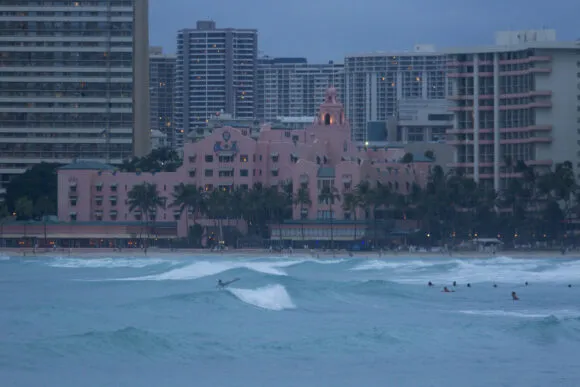
The Hawaiian Islands, renowned for their stunning landscapes and tranquil beaches, are bracing for an unsettling summer as El Niño conditions intensify across the Pacific. The National Hurricane Center has issued warnings about the formation of Tropical Storm Lala, which is predicted to approach the islands this weekend. As meteorologists closely monitor Lala's trajectory and potential strength, it serves as a stark reminder of the region's vulnerability to tropical storms, exacerbated by changing climate conditions.
Located approximately 935 miles east-southeast of Hilo, Hawaii, Lala is currently packing winds of 35 miles per hour, just shy of tropical storm status. Forecasts indicate that Lala may strengthen further as it nears the islands, raising concerns among residents and authorities alike. Richard Pasch, a senior hurricane specialist at the National Hurricane Center, has advised that a Hurricane or Tropical Storm Watch could soon be necessary for the Hawaiian Islands.
The Impact of El Niño on Tropical Storm Frequency
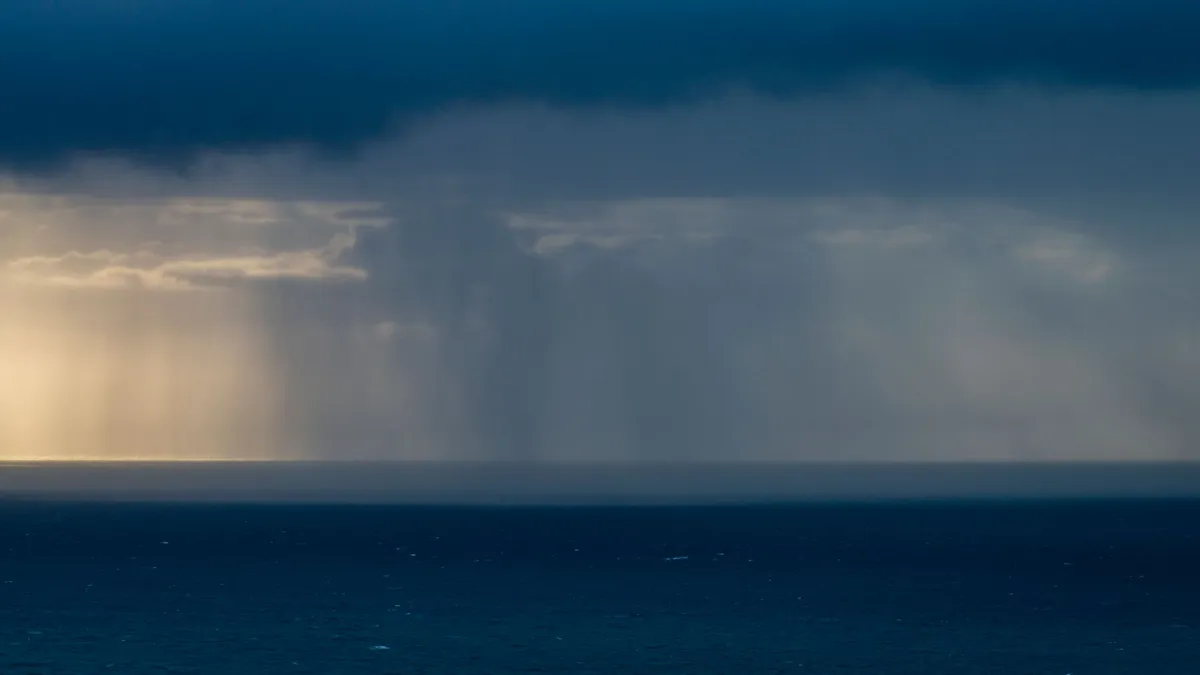
The current weather system is not an isolated event but rather part of a broader climatic pattern known as El Niño, characterized by warmer ocean temperatures in the central and eastern Pacific. This phenomenon typically leads to an increase in tropical cyclones in the central Pacific. Abby Frazier, a climatologist and geography professor at Clark University, emphasizes that El Niño years often see a marked increase in storms that threaten Hawaii.
Historically, the last hurricane to make landfall in Hawaii was Hurricane Iniki, which struck in 1992 as a Category 4 storm, causing devastating damage estimated at $3.1 billion in today's dollars and resulting in six fatalities. The potential for tropical storms to escalate into hurricanes raises alarm bells for local communities, particularly given the catastrophic consequences of past storms.
Recent Weather Events and Their Consequences
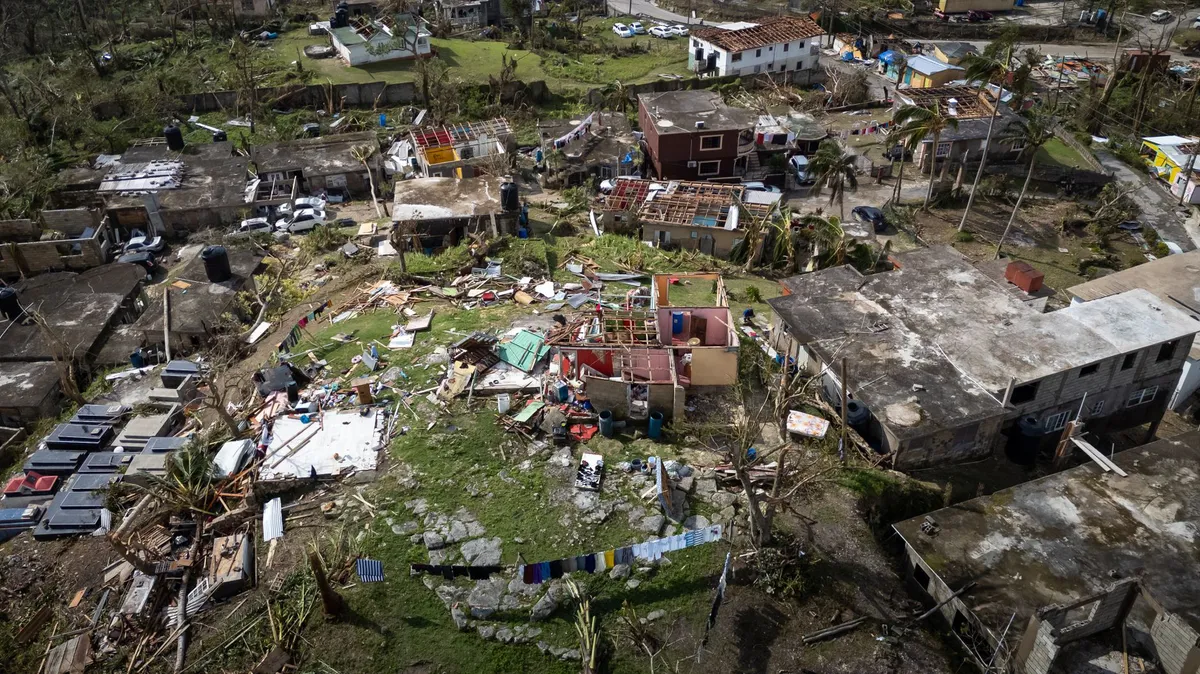
In the past few years, Hawaii has witnessed several close calls with tropical storms and hurricanes. Just last month, Hurricane Fausto threatened the islands but ultimately weakened and veered northward. However, the effects of such storms can still create significant disturbances. For instance, Hurricane Dora, which passed south of Hawaii in 2023, triggered severe weather patterns that led to high winds and devastating wildfires on Maui, resulting in over 100 fatalities and extensive property damage.
In response to the wildfire crisis, Hawaiian Electric Industries has reached a $2 billion settlement agreement to compensate victims affected by the Lahaina wildfires. This serves as a key reminder of the far-reaching impacts of tropical storms and hurricanes beyond direct wind damage, including the potential for wildfires exacerbated by storm conditions.
Preparing for Potential Disasters
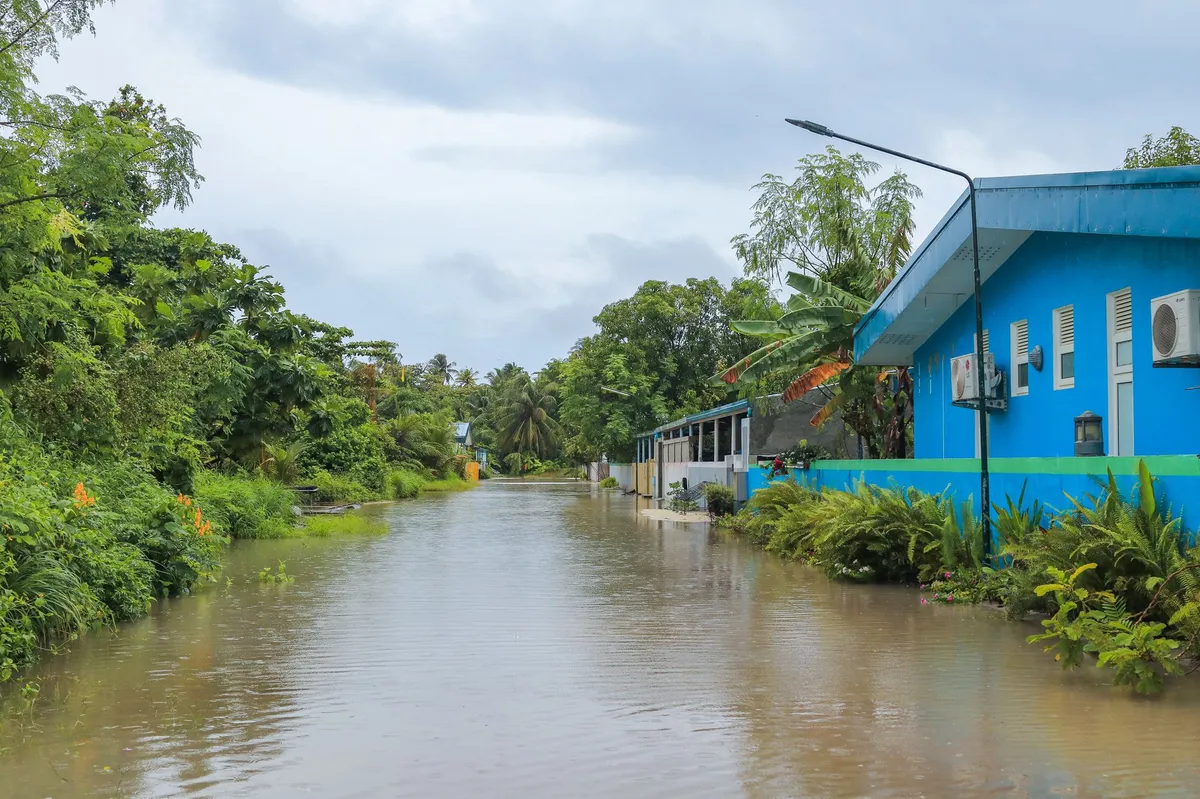
As Tropical Storm Lala approaches, residents in Hawaii are urged to take proactive measures to prepare for potential impacts. Here are some essential steps residents can follow:
- Stay Informed: Regularly check updates from the National Hurricane Center and local meteorological services.
- Emergency Supplies: Ensure you have ample supplies, including water, non-perishable food, medications, and first-aid kits.
- Evacuation Plans: Familiarize yourself with local evacuation routes and have a plan in place for your family.
- Property Preparedness: Secure outdoor furniture and prepare your home to withstand high winds and heavy rain.
Given the unpredictable nature of tropical storms and their potential to escalate quickly, being prepared can significantly mitigate risks and enhance safety.
Understanding the Cost of Climate-Related Disasters
The financial implications of tropical storms and hurricanes can be staggering. The extensive damage caused by storms necessitates robust insurance coverage. Homeowners in Hawaii are advised to review their policies for adequate coverage against wind and flood damage, as standard homeowners' insurance may not fully protect against such risks.
In the wake of a storm, the claims process can be complex, particularly for those who have suffered significant losses. Understanding the nuances of deductibles, coverage limits, and the claims process is crucial for ensuring that homeowners receive the compensation they need to recover and rebuild.

Key Takeaways
- The approaching Tropical Storm Lala highlights Hawaii's vulnerability to increased storm activity due to El Niño.
- Historically, Hawaii has not experienced a hurricane since 1992, but conditions may lead to more frequent storms.
- Residents should take immediate action to prepare for potential impacts, including securing supplies and understanding insurance coverage.
- The fallout from storms can extend beyond immediate damage, affecting infrastructure and triggering secondary hazards like wildfires.
Frequently Asked Questions
How does El Niño affect hurricane activity in Hawaii?
El Niño is associated with warmer ocean temperatures in the central and eastern Pacific, which often leads to an increase in tropical cyclones. During El Niño years, meteorological patterns shift, creating conditions conducive to the formation and intensification of storms that can threaten Hawaii. This cycle means residents should remain vigilant during these periods, as the likelihood of hurricanes and tropical storms increases significantly.
What should I include in my emergency preparedness kit?
An effective emergency preparedness kit should include essential items that can sustain you and your family during a storm or power outage. Key components include at least one gallon of water per person per day for at least three days, non-perishable food supplies, a flashlight with extra batteries, a battery-powered or hand-crank radio, a first-aid kit, necessary medications, and important documents stored in a waterproof container.
How can I ensure my home is properly insured against storm damage?
Homeowners in Hawaii should review their insurance policies to confirm they have adequate coverage for wind and flood damage. Standard homeowners' insurance may not cover certain types of storm damage, so it’s crucial to understand the specifics of your policy. Consider purchasing additional flood insurance if you live in a high-risk area. Consulting with a licensed insurance agent can help you navigate your coverage options to ensure you are adequately protected.
What are the long-term impacts of hurricanes on Hawaii’s infrastructure?
Hurricanes can cause extensive damage to Hawaii's infrastructure, leading to costly repairs and rebuilding efforts. The impact on utilities, roads, and public services can disrupt daily life for residents. Additionally, the economic repercussions can be felt for years, as tourism—a vital part of Hawaii's economy—may decline following a storm. Long-term recovery can strain local budgets and resources, necessitating careful planning and investment in resilient infrastructure to withstand future storms.
Comments
Presurance Focuses on Texas Homeowners Amid Market Shifts
Presurance Holdings transitions exclusively to Texas homeowners insurance after exiting commercial lines, reporting a mixed Q2 for 2026. The company shows signs of improvement in underwriting but faces challenges from severe weather losses.
Related articles


Popular in Home Insurance
- 2026 Sees Below-Average Severe Convective Storm Losses: What It Means for Insurance
- El Niño and Wildfires: Preparing for a Fire-Prone Future
- Young Affluent Collectors: The Underinsurance Dilemma in Luxury Investments
- Wisconsin Property Owner Sues City and Insurers Over Contamination Cleanup Costs
- Rising Catastrophe Risks: How Europe’s Insurers Are Adapting to Climate Change