Mumbai's Monsoon Crisis: Infrastructure Under Siege Amid Record Rainfall
Mumbai faces unprecedented challenges as record-breaking rains wreak havoc, raising urgent questions about the city's infrastructure and urban planning. With severe flooding and tragic loss of life, this crisis highlights the need for sustainable solutions.
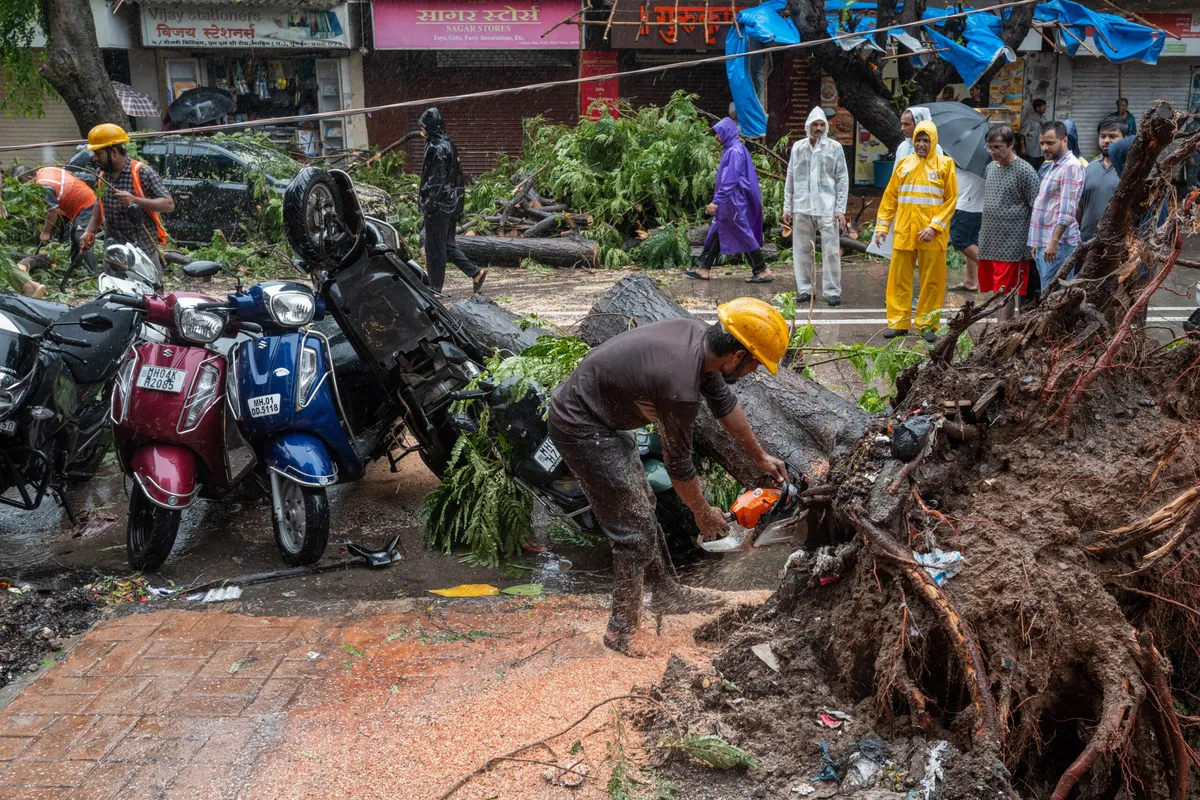
As Mumbai grapples with the fallout of record-breaking rainfall, the city’s infrastructure is under severe scrutiny. With at least 13 lives lost and countless residents disrupted, the monsoon season has turned into a crisis of epic proportions, prompting urgent conversations about urban planning and disaster preparedness. The Indian Meteorological Department (IMD) has issued an unprecedented series of four consecutive 'red alerts' over just a week, indicating the dire severity of the weather conditions. This alarming situation not only raises questions about the resilience of Mumbai's infrastructure but also highlights the urgent need for comprehensive urban planning that prioritizes sustainability and safety.
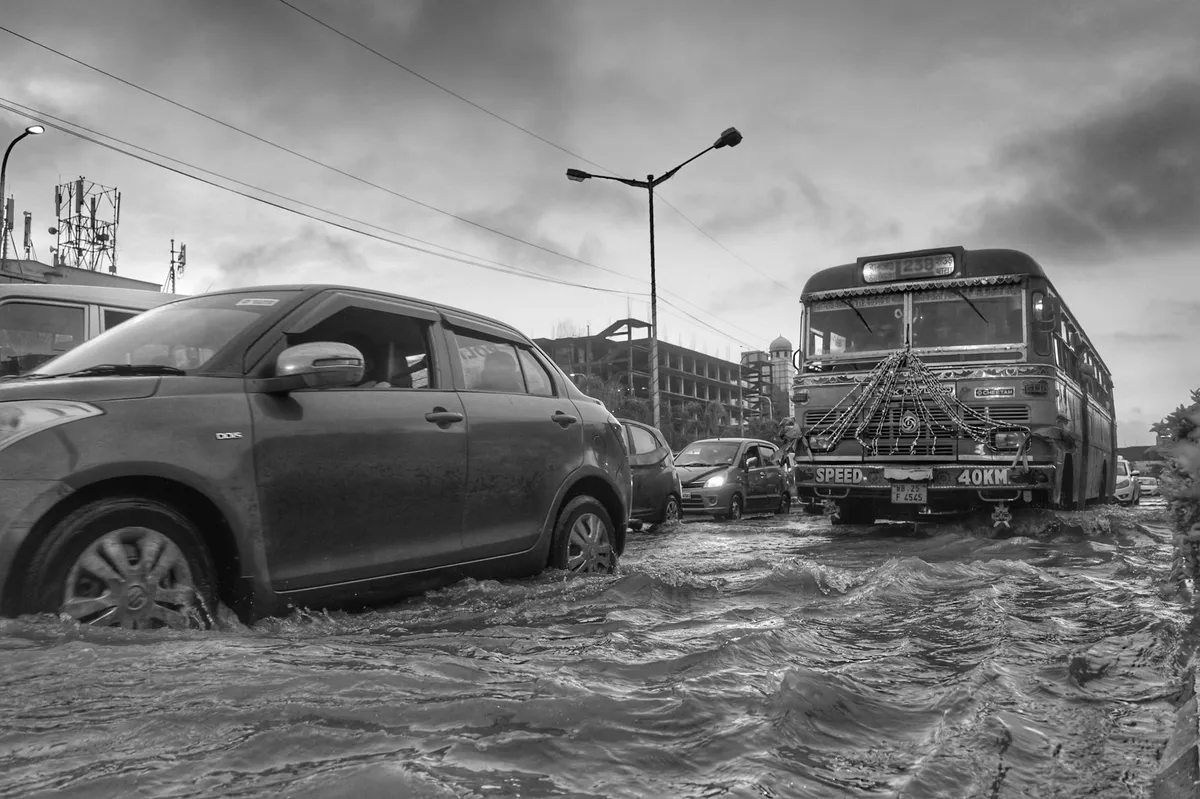
The rains, which have fallen more heavily than in decades, have caused flooding in low-lying neighborhoods like Andheri and Chembur, freezing traffic and disrupting essential services. As authorities scramble to respond, the efficiency of the city's drainage systems and road networks has come under intense scrutiny. In this article, we will explore the underlying issues contributing to Mumbai's vulnerability during monsoon season, the implications of climate change on rainfall patterns, and potential solutions to mitigate future disasters.
Understanding the Scale of the Crisis
Mumbai, often called India’s financial capital, is no stranger to monsoon rains; however, the intensity of this year’s downpours has been unprecedented. Reports indicate that several areas received 200 to 300 millimeters of rain within a mere 24-hour window, significantly surpassing typical rainfall metrics. The impact on transportation systems has been catastrophic, with local and long-distance train services disrupted, thousands of commuters stranded, and numerous flights canceled or delayed.
This crisis is particularly alarming given that Mumbai's infrastructure has been repeatedly criticized for its inability to handle such extremes. A study conducted last year revealed that heavy rains resulted in approximately 2,718 deaths and $1.2 billion in economic losses annually from 2005 to 2015. This historical context sheds light on the urgent need for systemic changes in urban management.
Urban Planning: A Critical Examination
Experts like Hussain Indorewala from the Kamla Raheja Vidyanidhi Institute for Architecture & Environmental Studies have labeled the situation a “general crisis of urban planning.” Over the past few decades, urban development in Mumbai has largely favored the real estate sector, while essential infrastructure related to stormwater drainage and sanitation systems has been neglected. This imbalance has created vulnerabilities that become apparent during extreme weather events.
“There aren’t enough drains for the water to run off, which has made the city impermeable,” Indorewala noted, emphasizing the dual challenges of flooding and groundwater depletion. The lack of foresight in urban planning has resulted in a situation where vast amounts of water accumulate above ground while the city’s aquifers remain underutilized.
Environmental Impact Assessments
Another significant factor exacerbating the crisis is the insufficient environmental and social impact assessments conducted prior to infrastructure development. Sheema Fatima, a professor at the Balwant Sheth School of Architecture, pointed out that contemporary development is often focused on maximizing housing valuations and parking spaces, neglecting critical considerations such as common spaces and ecological balance.
This lack of holistic planning has led to tragic outcomes, as evidenced by the recent toppled trees that resulted in fatalities. The poor maintenance of urban greenery, coupled with unscientific pruning practices, has left many trees vulnerable to falling during storms, further compounding the hazards faced by residents.

The New Normal: Climate Change and Rainfall Patterns
The intensity and unpredictability of Mumbai's monsoon rains are increasingly being linked to climate change. Akshay Deoras, a senior research scientist at the University of Reading, has observed that a warming Arabian Sea is altering traditional monsoon patterns, leading to hyper-concentrated downpours rather than steady seasonal rains. “It’s a new normal for Mumbai,” Deoras stated, predicting that rainfall will become more variable and severe in the future.
This reality poses pressing questions for policymakers and urban planners. As Mumbai faces the prospect of more frequent and intense rainfall events, there is an urgent need for adaptive strategies that enhance the city's resilience to climate-related challenges.
Building Resilience: Potential Solutions
In light of the ongoing crisis, experts advocate for a multifaceted approach to improve Mumbai's infrastructure and urban planning. Here are some potential solutions:
- Integrated Urban Water Management: Developing a comprehensive strategy that combines stormwater management, wastewater treatment, and groundwater recharge can significantly enhance urban resilience.
- Green Infrastructure: Investing in green roofs, permeable pavement, and urban forests can help absorb rainfall and mitigate flooding.
- Public Awareness and Engagement: Educating residents about the importance of sustainable practices and community involvement in maintaining urban greenery can foster a culture of environmental stewardship.
- Regulatory Revisions: Strengthening regulations surrounding urban development to ensure that environmental impact assessments are mandatory and rigorously enforced.
These solutions require collaboration among government agencies, private stakeholders, and community members to create a more resilient urban environment capable of withstanding the growing challenges posed by climate change.

Key Takeaways
- Record rainfall in Mumbai has raised urgent concerns about urban infrastructure.
- The city experiences severe flooding due to inadequate drainage systems and poor urban planning.
- Climate change is altering monsoon patterns, necessitating adaptive strategies for resilience.
- Comprehensive urban planning and investment in green infrastructure are critical for future preparedness.
- Community engagement and regulatory reforms are essential for fostering sustainable development.
Frequently Asked Questions
What are the main causes of flooding in Mumbai during the monsoon season?
Flooding in Mumbai is primarily caused by inadequate drainage systems that cannot cope with heavy rainfall. The city's urban planning has historically favored development over sustainability, neglecting essential infrastructure like stormwater management. As a result, rainwater accumulates on the surface rather than being effectively channeled away.
How does climate change impact Mumbai's monsoon patterns?
Climate change is leading to a warming Arabian Sea, which influences the monsoon by creating conditions for more volatile and concentrated rainfall events. As a result, Mumbai is experiencing heavier downpours in shorter periods, increasing the risk of flooding and landslides.
What can residents do to prepare for future monsoon crises?
Residents can take proactive measures such as ensuring their property is well-drained, participating in local environmental initiatives, and advocating for better urban planning policies. Staying informed about weather alerts and following local guidelines can also help mitigate risks during severe weather events.
What role does urban planning play in disaster preparedness?
Effective urban planning is critical for disaster preparedness as it addresses the infrastructure needed to manage natural events. Sustainable design practices, such as the incorporation of green spaces and efficient drainage systems, can significantly reduce vulnerabilities and enhance the community's overall resilience to climate-related disasters.
Comments
Oklahoma Supreme Court Limits AG's Role in State Farm Hail Claim Case
The Oklahoma Supreme Court has ruled against the state's attorney general, preventing him from transforming a single homeowner's hail claim against State Farm into a broader statewide inquiry. This decision underscores the delicate balance between consumer protection and insurance industry regulation.

Related articles



Popular in Home Insurance
- 2026 Sees Below-Average Severe Convective Storm Losses: What It Means for Insurance
- El Niño and Wildfires: Preparing for a Fire-Prone Future
- Young Affluent Collectors: The Underinsurance Dilemma in Luxury Investments
- Wisconsin Property Owner Sues City and Insurers Over Contamination Cleanup Costs
- Rising Catastrophe Risks: How Europe’s Insurers Are Adapting to Climate Change