Preparing for Catastrophe: Insurance Carriers Gear Up Amid Super El Niño
With a potentially historic Super El Niño on the horizon and increasing natural disasters, insurance carriers are revamping their disaster response strategies. This article explores the implications for consumers and businesses.

As we navigate through 2026, the insurance landscape is bracing for significant upheaval. After a couple of relatively quiet years, the onset of a potentially historic Super El Niño, alongside a series of recent natural disasters, has prompted insurance carriers to revise their disaster response strategies. From record tornadoes in Illinois and catastrophic storms abroad to rampant wildfires in the West, the trend indicates a volatile second half of the year that could unleash a multitude of claims on insurers.
According to Andy McCallum, vice president of specialty operations at Sedgwick, these developments create what he describes as a "snow globe effect"—where the usual calm is abruptly disrupted by chaos. Insurers are now actively seeking to bolster their readiness for what could be a surge in catastrophe claims, anticipating that this year may not only return to normalcy but exceed it in terms of disaster frequency and severity.
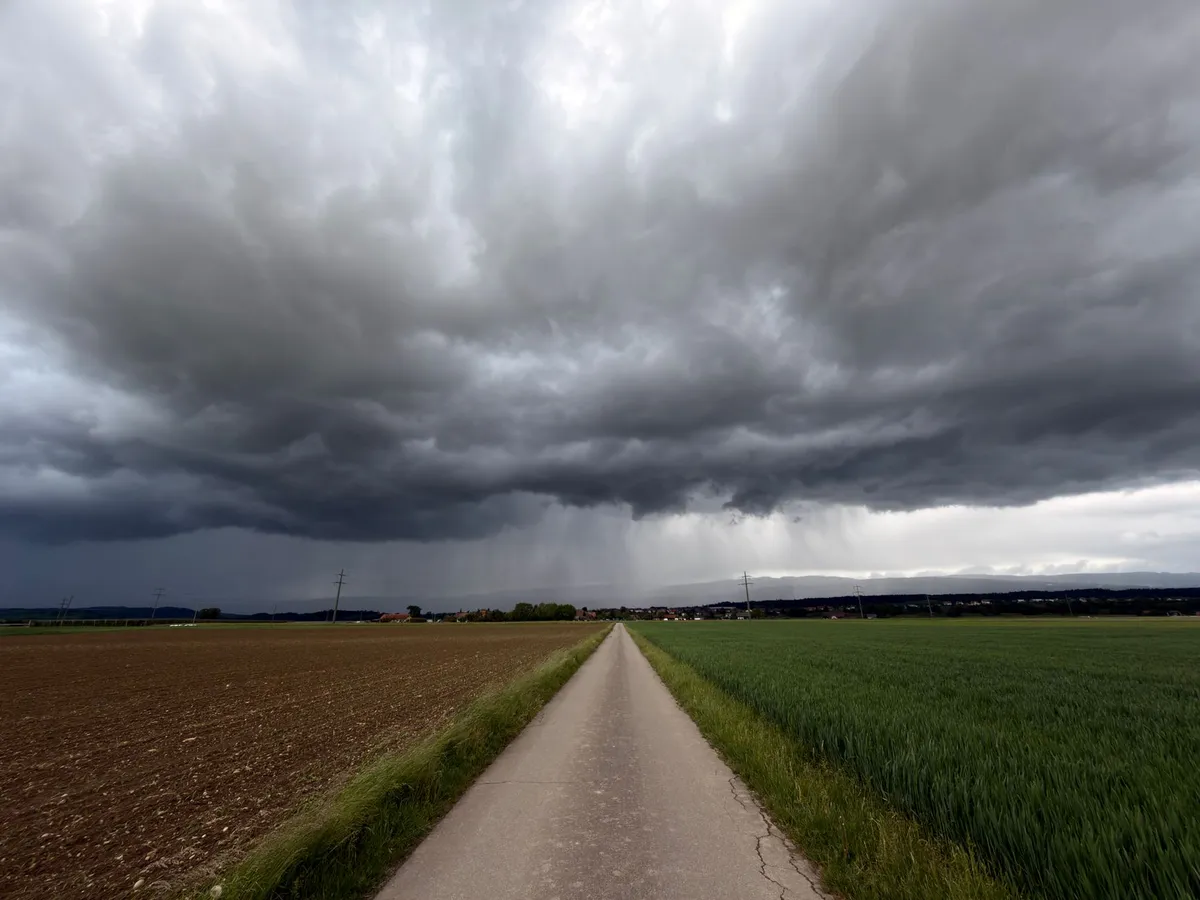
Understanding the 'Snow Globe Effect'
The term "snow globe effect" encapsulates the current state of unpredictability in the weather patterns across the globe. With multiple natural disasters occurring simultaneously, including tornadoes, typhoons, wildfires, and earthquakes, insurers are feeling the pressure to reassess their catastrophe (cat) plans. McCallum notes that carriers are proactively preparing for a variety of scenarios, from quickly developing tornadoes to more predictable storms.
The Importance of Catastrophe Plans
Developing strong catastrophe plans is crucial for insurance companies to avoid being caught off guard. McCallum emphasizes the importance of preemptive action, stating, "History would tell you that it’s an eventuality that we’re going to have a busy cat year, and carriers don’t want to be caught flat-footed because of the quiet years." This sentiment resonates strongly in the industry, as data indicates that the likelihood of severe weather increases following periods of relative calm.
El Niño: A Game Changer for Weather Patterns
The looming Super El Niño is expected to significantly alter weather patterns, increasing the risk of wildfires in the West, exacerbating drought conditions in the Great Plains, and bringing heavy rains and flooding to the South. AccuWeather has noted a 70% chance of this event occurring, which could lead to a mini-Dust Bowl in certain areas and stronger storms across the Pacific.
Impact on Wildfire Risks
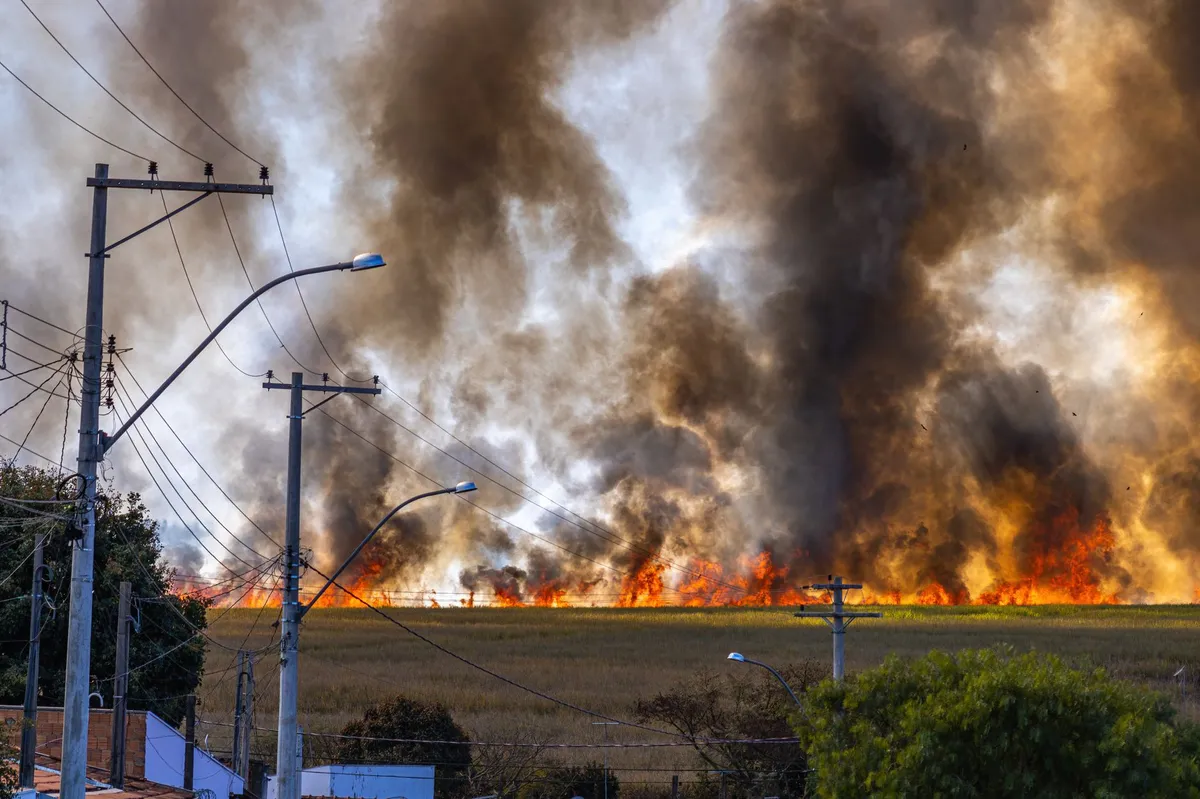
Recent forecasts indicate that the wildfire risk in the Southwest U.S. has already intensified due to extremely dry and windy conditions. Regions like California are now in a precarious position, with predictions suggesting that the wildfire season could escalate dramatically late in the summer and early fall. Factors such as the North American Monsoon may temporarily alleviate some of the drought conditions, but the overall risk remains high.
- Wildfire activity is ramping up in the Four Corners region.
- California faces a critical wildfire season, with conditions likely to worsen.
- Monsoons could shift wildfire risks northward but may not provide relief to all areas.
Preparing Consumers and Businesses
For consumers and businesses alike, understanding the implications of these developments is essential. Insurance policies may be affected by the heightened risk of claims, and it’s vital for policyholders to review their coverage. With the potential for increased claims volumes, insurers may need to adjust their premiums or underwriting practices, which could impact future coverage options.
What Should Policyholders Do?
Consumers are encouraged to take proactive measures in light of these changing conditions. This includes reviewing existing insurance policies to ensure adequate coverage, especially for properties located in high-risk areas. Additionally, maintaining open communication with insurance agents can provide clarity on what to expect as the situation develops.
Key Takeaways
- The approaching Super El Niño is set to increase natural disaster risks across the U.S.
- Insurance carriers are enhancing their disaster response strategies to prepare for increased claims.
- Consumers should review their insurance policies and maintain proactive communication with their agents.

Frequently Asked Questions
What is a Super El Niño, and how does it affect weather?
A Super El Niño refers to a significant warming of ocean surface temperatures in the central and eastern Pacific, which can lead to dramatic shifts in global weather patterns. This phenomenon typically results in increased rainfall in some areas while causing droughts in others. The upcoming Super El Niño is predicted to have severe effects, including heightened wildfire risks and potential flooding.
How can I prepare my home for potential disasters?
Preparing your home involves several steps, including assessing your current insurance coverage, reinforcing your property against wind and flood damage, and creating an emergency plan. Consider investing in sump pumps, installing storm shutters, and having an emergency kit ready. Regularly updating your home inventory can also assist in the claims process if disaster strikes.
Will insurance premiums increase due to these natural disasters?
It is likely that insurance premiums may rise in response to the increased frequency and severity of natural disasters. As claims volumes increase, insurers may need to adjust their pricing models to maintain financial stability. It’s essential for consumers to stay informed about market trends and discuss potential changes with their agents.
Comments
Oklahoma Supreme Court Limits AG's Role in State Farm Hail Claim Case
The Oklahoma Supreme Court has ruled against the state's attorney general, preventing him from transforming a single homeowner's hail claim against State Farm into a broader statewide inquiry. This decision underscores the delicate balance between consumer protection and insurance industry regulation.
Related articles


Popular in Home Insurance
- 2026 Sees Below-Average Severe Convective Storm Losses: What It Means for Insurance
- El Niño and Wildfires: Preparing for a Fire-Prone Future
- Young Affluent Collectors: The Underinsurance Dilemma in Luxury Investments
- Wisconsin Property Owner Sues City and Insurers Over Contamination Cleanup Costs
- Rising Catastrophe Risks: How Europe’s Insurers Are Adapting to Climate Change