Skyrocketing Home Insurance Premiums: The Urgency of Wind Mitigation
New studies reveal that insurance premiums are set to surge dramatically by 2035, particularly in hurricane-prone states. This article explores the implications for homeowners, especially low-income households, and the necessary policy changes to mitigate risks.

As the looming threat of climate change continues to reshape the landscape of home insurance, a recent study has raised alarms about the skyrocketing premiums expected by 2035, particularly in hurricane-prone regions such as Florida and other Southeastern states. The findings highlight an urgent need for robust wind mitigation strategies, especially for low- and moderate-income households who are often hardest hit by rising costs. With property insurance rates projected to potentially triple in some areas, this situation demands a closer examination of the factors driving these changes and the policies needed to address them.
The study, published by the Brookings Institution's Hutchins Center, analyzed over 20 years of data from Florida's Citizens Property Insurance Corp. It concluded that while premium discounts for wind mitigation can incentivize homeowners to invest in protective measures, these discounts alone are insufficient to drive widespread adoption, especially among economically vulnerable populations. As premiums soar, the need for additional support mechanisms has never been clearer.
Understanding the Impact of Rising Premiums
The reality of rising insurance premiums is a complex interplay of climate change, economic factors, and individual homeowner decisions. As studies predict, some regions, particularly in Louisiana and South Carolina, could see increases in property insurance rates of up to 247% by 2035. Such staggering figures signal a critical shift in the insurance landscape, compelling homeowners to reconsider their risk management strategies.
Factors Contributing to Increased Premiums
- Climate Change: Extreme weather events and natural disasters are becoming more frequent, directly influencing insurance costs.
- Increased Claims: Insurers are experiencing higher claim payouts due to severe weather, leading to higher premiums for policyholders.
- Economic Disparities: Low- and moderate-income households often struggle to afford necessary mitigation measures.
- State Policies: Variability in state regulations and incentives can either alleviate or exacerbate the financial burden on homeowners.

Mitigation Measures: Are They Enough?
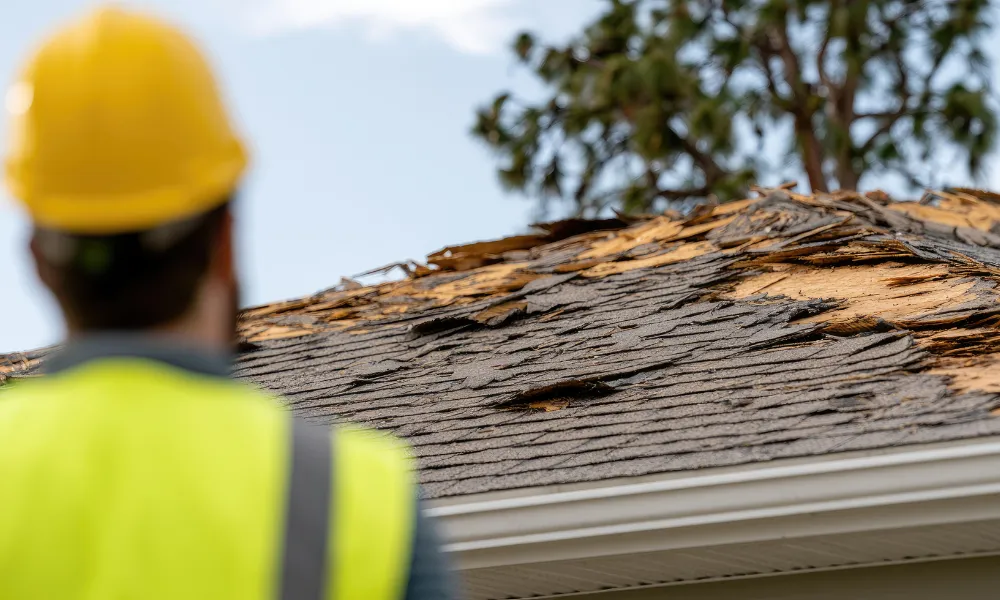
The study highlights the importance of home fortifications—such as roof tie-downs and window protections—in reducing losses and claims. However, it also emphasizes that financial constraints often prevent low-income households from investing in these necessary adaptations. While the Florida state-funded My Safe Florida Home program offers matching grants of up to $10,000 for retrofits, many homeowners remain unable to cover even the initial costs.
Discounts for Mitigation
Insurers in Florida provide discounts of up to 44% for implementing certain mitigation measures, including:
- Window and door opening protections
- Stronger roof-to-wall connections
- Hurricane clips and straps
Despite these discounts, the report indicates that wealthier homeowners are more likely to invest in climate-resistant features, while low-income households face tighter budget constraints that limit their ability to adapt. This disparity raises critical questions about equity in the insurance market and the effectiveness of current mitigation incentives.

Policy Recommendations to Promote Adaptation
In light of the findings, the study's authors advocate for changes in public policy to enhance financial support for vulnerable communities. Additional measures could include:
- Targeted Subsidies: Offering financial assistance specifically for low-income households to help them afford retrofits.
- Low-Interest Financing: Providing affordable financing options for homeowners to invest in necessary adaptations.
- Means-Tested Premium Assistance: Implementing programs that adjust premiums based on income levels to encourage adaptation without imposing financial strain.
These recommendations aim to create a more equitable insurance landscape where all homeowners can take proactive steps to mitigate risks associated with climate change.

Future Projections and Their Implications
The report from the Coalition for an Insurable Future underscores the urgency of addressing these challenges. Without decisive action, the rise in climate risk will continue to push premiums higher, leaving many households uninsured and unprotected. The report highlights that states are currently taking steps to mitigate the crisis, but the effectiveness of these measures remains mixed. Furthermore, the burden of adaptation is primarily falling on homeowners and taxpayers rather than addressing the root causes of climate risk.
Predicted Premium Increases in Specific Areas
For instance, in North Carolina’s Hyde County, homeowners could face premium increases ranging from 709% to an astonishing 5,900%—potentially resulting in premiums as high as $101,000. Such figures illustrate the severe financial burden that climate change is placing on homeowners, particularly in vulnerable coastal regions.
Key Takeaways
- Home insurance premiums are projected to rise significantly by 2035, particularly in hurricane-prone areas.
- Current mitigation discounts are insufficient for low-income households to make necessary adaptations.
- Targeted subsidies and low-interest financing are essential to promote adaptation.
- Without action, rising premiums may leave many households uninsured.
- State policies need to address the root causes of climate risk, rather than solely the financial consequences.
Frequently Asked Questions
What can homeowners do to mitigate rising insurance premiums?
Homeowners can take proactive steps to mitigate rising insurance premiums by investing in wind-resistant features such as storm shutters, reinforced roofs, and secure window protections. Additionally, participating in state-funded programs like My Safe Florida Home can provide financial assistance for such upgrades. It's crucial for homeowners to stay informed about available discounts and programs that can lessen their financial burden.
How do income disparities affect homeowners' ability to adapt to rising premiums?
Income disparities significantly influence homeowners' ability to invest in necessary adaptations. Wealthier homeowners can more easily afford retrofits that qualify for premium discounts, while low-income households often face budget constraints that prevent them from making these investments. As premiums rise, the financial strain on lower-income families can lead to a cycle of under-insurance and increased vulnerability.
What role do state policies play in addressing insurance premium increases?
State policies play a pivotal role in shaping the insurance landscape and can either mitigate or exacerbate the financial burdens on homeowners. Effective policies may include targeted subsidies, low-interest financing options, and means-tested premium assistance programs. By prioritizing adaptations for at-risk populations, states can help ensure all homeowners have the means to protect their properties against climate-related risks.
What are the long-term implications of rising insurance premiums for communities?
The long-term implications of rising insurance premiums can be severe, particularly for communities in high-risk areas. As more households face unaffordable premiums, many may opt to forgo insurance altogether, leading to increased vulnerability during disasters. This trend could result in higher economic costs for communities, as uninsured losses mount and recovery efforts become more challenging.
Comments
Oklahoma Supreme Court Limits AG's Role in State Farm Hail Claim Case
The Oklahoma Supreme Court has ruled against the state's attorney general, preventing him from transforming a single homeowner's hail claim against State Farm into a broader statewide inquiry. This decision underscores the delicate balance between consumer protection and insurance industry regulation.
Related articles




Popular in Home Insurance
- 2026 Sees Below-Average Severe Convective Storm Losses: What It Means for Insurance
- El Niño and Wildfires: Preparing for a Fire-Prone Future
- Young Affluent Collectors: The Underinsurance Dilemma in Luxury Investments
- Wisconsin Property Owner Sues City and Insurers Over Contamination Cleanup Costs
- Rising Catastrophe Risks: How Europe’s Insurers Are Adapting to Climate Change