Oklahoma Supreme Court Limits AG's Role in State Farm Hail Claim Case
The Oklahoma Supreme Court has ruled against the state's attorney general, preventing him from transforming a single homeowner's hail claim against State Farm into a broader statewide inquiry. This decision underscores the delicate balance between consumer protection and insurance industry regulation.

The recent ruling by the Oklahoma Supreme Court has significant implications for the insurance industry and consumer protection laws in the state. On June 23, 2026, the court issued a writ of prohibition, effectively blocking the attorney general’s efforts to expand a single homeowner's hail damage claim against State Farm into a larger inquiry that could affect numerous policyholders statewide. This decision highlights the ongoing tension between individual consumer rights and the broader regulatory framework governing insurance companies.
The case began on April 17, 2025, when two homeowners filed a lawsuit against State Farm Fire & Casualty Company, alleging breach of contract and bad faith pertaining to a hailstorm claim. Initially, this was a localized dispute focused on specific claims related to hail damage to their property. However, as the case progressed, it took a dramatic turn when the district court permitted the attorney general to intervene, adding claims for injunctive relief and damages under the Oklahoma Consumer Protection Act. This shift transformed what was a private contract dispute into a potentially far-reaching, statewide legal battle, a scenario that alarmed many in the insurance industry.
The Unfolding of the Case
The homeowners contended that State Farm had mishandled their claim, which led them to seek legal recourse. They accused the insurer of several offenses, including bad faith and negligent misrepresentation. Such claims are not uncommon, especially in the aftermath of significant weather events that lead to widespread property damage. Homeowners often feel vulnerable when dealing with large insurance companies, and legal battles can ensue when they believe their claims are not being treated fairly.
As the case progressed, the Oklahoma attorney general saw an opportunity to intervene, arguing that the dispute had implications beyond the individual homeowners and could reflect broader patterns of misconduct by State Farm. The attorney general’s office aimed to use the case to address systemic issues in how insurance claims are handled in Oklahoma, particularly in relation to consumer protection laws.
Legal Implications of the Ruling
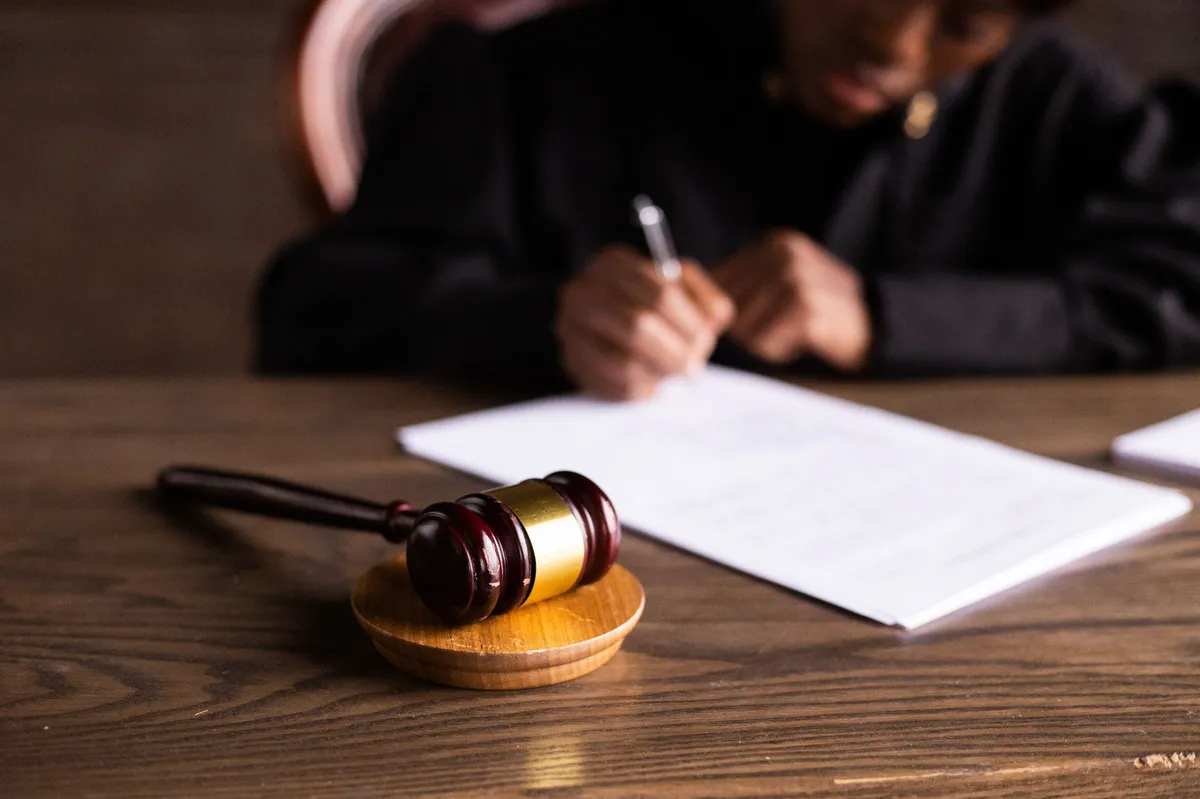
The Oklahoma Supreme Court's decision underscores a crucial legal principle: the limits of intervention in civil cases. The court ruled that once a party intervenes in a case, they must adhere to the existing issues and cannot introduce new claims or expand the scope of the proceedings. This principle serves as a safeguard for defendants, allowing them to manage their legal exposure without the risk of escalating issues that may arise from external parties.
The court identified the attorney general's claims, particularly those invoking the Racketeer Influenced and Corrupt Organizations Act (RICO), as problematic. RICO is typically employed in cases involving organized crime and requires a different legal standard compared to civil claims for breach of contract and bad faith. By introducing quasi-criminal elements into a civil dispute, the attorney general’s intervention altered the nature of the case significantly, prompting the Supreme Court to step in.
Impact on the Insurance Industry
This ruling is a significant victory for State Farm and potentially for other insurance companies facing similar challenges. It illustrates how a single claim could inadvertently become the center of a much larger regulatory and legal scrutiny, which could have long-term implications for how insurers operate within the state. For insurers, the potential for a single claim to escalate into a broader inquiry can create a chilling effect, leading to increased caution in how they handle claims.
Moreover, the ruling reinforces the importance of adhering to established legal procedures and the defined roles of different parties in civil litigation. Insurers may feel more secure in their claims-handling processes, knowing that the courts are poised to protect them from unwarranted expansions of litigation that could arise from the actions of outside parties.

Consumer Rights and Future Considerations
While the ruling may serve as a relief for insurance companies, it raises questions about consumer advocacy and the ability of state officials to protect the interests of homeowners in similar situations. The attorney general's office has indicated an intention to pursue separate legal action against State Farm, suggesting that the fight is far from over. This development begs the question of how effectively consumer protections can be enforced in the insurance arena, especially in cases where individual claims may not attract significant attention or resources.
Homeowners and policyholders should remain informed about their rights and the legal avenues available to them if they feel their claims are being mishandled. Understanding the claims process, including the potential for legal recourse in cases of bad faith, is critical for consumers navigating the complexities of insurance. As this case illustrates, the interplay between individual claims and broader regulatory actions can significantly impact not only the parties involved but also the insurance landscape as a whole.

Key Takeaways
- Oklahoma Supreme Court's Ruling: The court prevented the attorney general from expanding a homeowner's claim into a statewide inquiry.
- Limits on Legal Interventions: The ruling reinforced the principle that intervening parties cannot alter existing issues in a case.
- Implications for Insurers: The decision provides a framework for insurers to manage risks associated with potential regulatory actions.
- Consumer Advocacy: Homeowners must remain vigilant and informed about their rights in the claims process.
- Future of Consumer Protection: The attorney general may pursue separate actions, indicating ongoing challenges in enforcing consumer protections.
Frequently Asked Questions
What does the Oklahoma Supreme Court ruling mean for homeowners?
The ruling means that homeowners involved in individual claims against their insurance companies, such as State Farm, cannot expect state officials to intervene and elevate their cases into broader inquiries without following established legal procedures. This decision clarifies the boundaries of intervention in civil cases, protecting homeowners from the potential complications that could arise from such actions.
How does this ruling impact the insurance industry?
The ruling serves as a protective measure for insurance companies, preventing single claims from escalating into larger, multifaceted inquiries that could expose them to significant financial and reputational risks. Insurers can approach claims with more confidence, knowing that the courts will uphold legal boundaries regarding interventions in civil matters.
Can the attorney general still take action against State Farm?
Yes, the attorney general has indicated an intention to pursue separate legal action against State Farm. While the court's ruling limited the scope of intervention in the current case, it did not preclude the attorney general from filing independent claims based on consumer protection laws or other legal grounds.
What should homeowners do if they feel their claims are mishandled?
Homeowners who believe their insurance claims are being mishandled should document all communications with their insurer, understand their policy terms, and consider seeking legal advice. They may also contact their state’s insurance department or consumer protection agency to explore their options for recourse, ensuring they are aware of their rights and avenues for addressing grievances.
Comments
Wildfire Evacuations: A Growing Challenge in an Era of Megafires
As wildfires become more ferocious and unpredictable, evacuation plans across the U.S. are increasingly put to the test. This article explores the challenges and strategies communities are adopting to ensure safety during these devastating events.

Related articles





Popular in Home Insurance
- 2026 Sees Below-Average Severe Convective Storm Losses: What It Means for Insurance
- El Niño and Wildfires: Preparing for a Fire-Prone Future
- Young Affluent Collectors: The Underinsurance Dilemma in Luxury Investments
- Wisconsin Property Owner Sues City and Insurers Over Contamination Cleanup Costs
- Rising Catastrophe Risks: How Europe’s Insurers Are Adapting to Climate Change