New York's Midtown High-Rise Stabilization: What It Means for Residents and Investors
The recent stabilization efforts of a compromised Midtown Manhattan high-rise highlight the challenges and solutions in urban redevelopment. This article explores the implications for residents, investors, and the broader market.
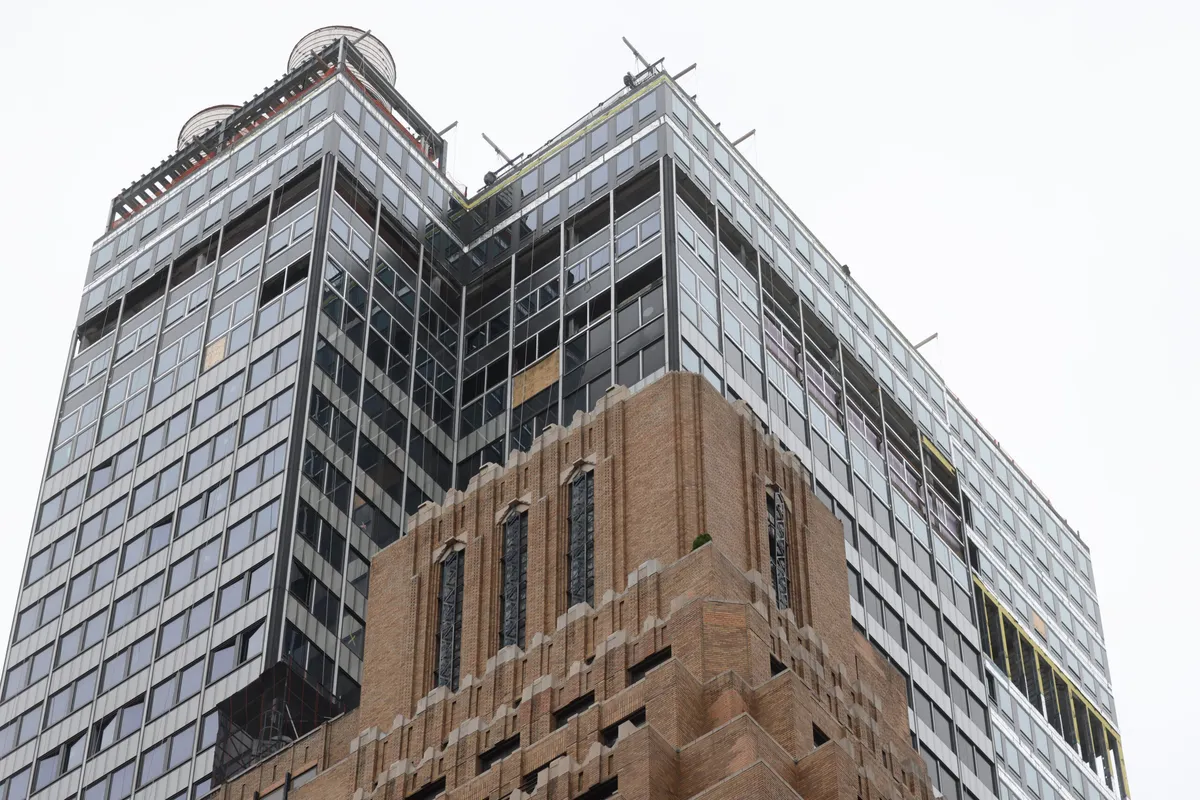
The bustling streets of Midtown Manhattan were recently shaken by a structural scare at a high-rise building undergoing conversion from office space to residential apartments. As city officials rushed to stabilize the compromised structure, concerns about safety, urban redevelopment, and the broader implications for the housing market took center stage. With the building's stabilization deemed successful, what does this incident mean for residents and investors alike?
On July 7, 2026, workers reported alarming signs of structural failure in the former Pfizer headquarters, including buckling columns and sagging floors on the 21st story. This prompted immediate evacuation orders for the building and nearby structures, including offices and a school, as emergency crews responded swiftly to assess the situation. The necessary precautions reflected not only the seriousness of the structural issues but also the city's commitment to ensuring public safety and maintaining order in a densely populated area.
Understanding the Stabilization Efforts
In the wake of the evacuation, the New York City Department of Buildings launched a multi-faceted response to stabilize the affected high-rise. Stabilization measures included:
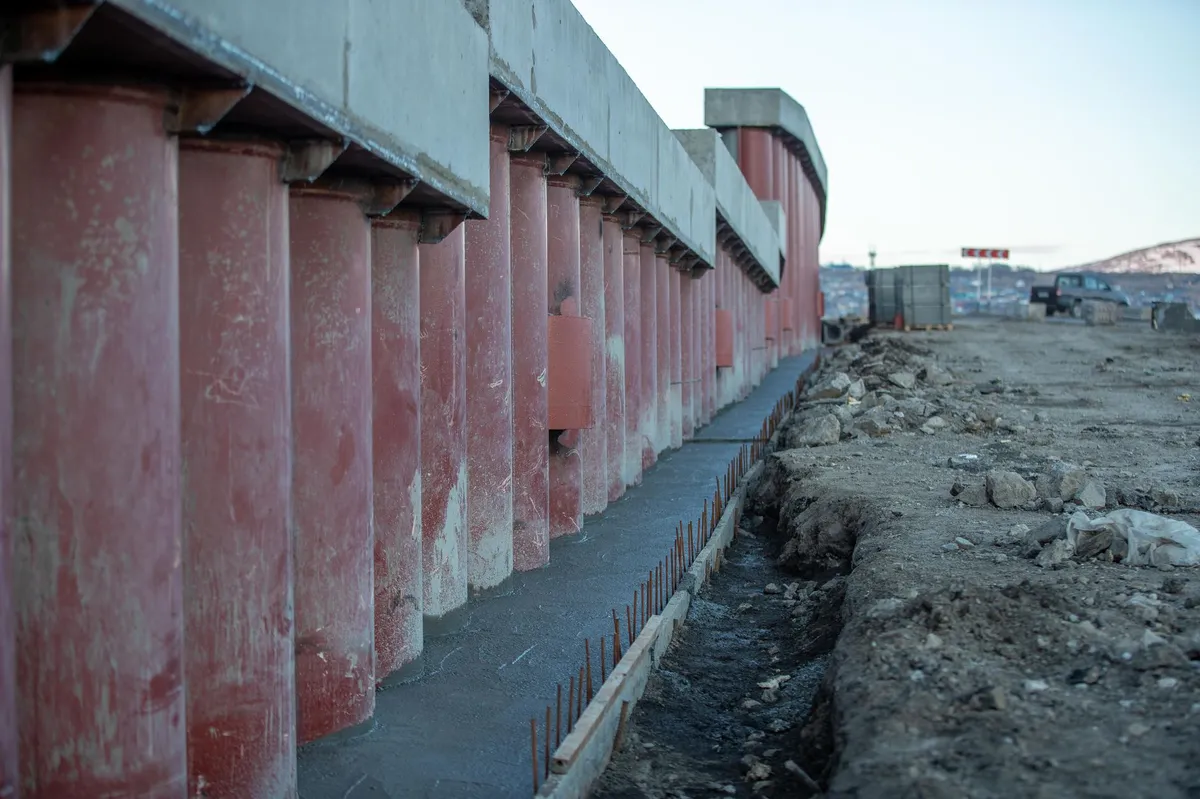
- Shoring Installation: Crews installed shoring on the compromised 20th and 21st floors to provide immediate structural support.
- Emergency Jacks: These were strategically placed to prop up weak points and prevent further movement within the building.
- Steel Reinforcements: New steel was introduced to reinforce the structure, allowing for safe access for workers and materials.
Commissioner Ahmed Tigani confirmed that no significant movement had been detected in the building following these interventions, allowing for a cautious reopening of nearby streets and buildings. By July 9, officials reported a stabilized environment, effectively reducing the previously enforced frozen zones around the 42nd and 43rd streets, which had restricted vehicle and pedestrian traffic.
The Broader Context of Urban Redevelopment
The stabilization incident at Midtown’s high-rise underscores the challenges faced by urban developers in a post-pandemic environment. With high office vacancy rates prevailing, many developers are pivoting to convert outdated office spaces into residential units. The Pfizer building is a prime example of this trend, with plans to transform it into approximately 1,600 rental apartments, including about 400 affordable units.
These conversions are part of a broader strategy to address both a surplus of commercial real estate and a shortage of housing in New York City. The urgency to create more living spaces is evident as demand for affordable housing continues to rise, particularly in urban centers. However, the structural issues encountered highlight the risks associated with such redevelopment projects, especially in older buildings.
Safety Regulations and Construction Standards
The events surrounding the Midtown high-rise bring to light the importance of adhering to safety regulations and construction standards. Building codes are established to mitigate risks and ensure the safety of occupants and the surrounding community. In New York City, these codes are strictly enforced by the Department of Buildings, which conducts regular inspections and permits for construction projects.
In the case of the Pfizer building, the involvement of third-party engineers to evaluate the structural integrity demonstrates a proactive approach to safety. Such evaluations are critical in identifying potential weaknesses before they escalate into dangerous situations. The incident serves as a reminder for developers to prioritize rigorous inspection processes and adhere to best practices throughout the construction and renovation phases.
Implications for Investors and Residents
The stabilization of the Midtown high-rise has significant implications for both investors and residents in the area. For investors, the successful stabilization and ongoing redevelopment efforts may present a potentially lucrative opportunity. However, the incident could also raise concerns about the reliability of similar projects, prompting investors to conduct more thorough due diligence before committing funds.
For residents, particularly those in the vicinity of the affected buildings, the incident may evoke a sense of vulnerability regarding safety and property values. While the city has assured that the risk of collapse has been mitigated, the experience of evacuation and uncertainty can create apprehension among tenants and homeowners. Ongoing communication from city officials and developers about safety measures and future plans is essential in rebuilding trust within the community.
Key Takeaways
- Stabilization Efforts: NYC crews implemented emergency measures to secure a compromised high-rise.
- Urban Redevelopment: The building is part of a significant trend converting office spaces into residential units.
- Safety Standards: Adherence to strict construction regulations is crucial in urban environments.
- Investor Caution: The incident may lead investors to reassess risks in similar redevelopment projects.
Frequently Asked Questions
What triggered the evacuation of the Midtown high-rise?
The evacuation was prompted by reports from construction workers indicating structural concerns, specifically buckling columns and sagging floors on the 21st story. These alarming signs necessitated immediate action to ensure the safety of occupants and nearby residents.
How did the city respond to the structural issues?
The city responded promptly by mobilizing crews to assess and stabilize the affected floors. Measures included installing shoring, using emergency jacks for support, and reinforcing the structure with new steel. As a result, the building was deemed stable, allowing for the reopening of surrounding streets and buildings.
What are the implications of this incident for the housing market in NYC?
This incident highlights the complexities involved in urban redevelopment amidst high vacancy rates and housing shortages. While the conversion of office buildings to residential units is a promising solution to housing demand, structural challenges can pose risks that impact investor confidence and community trust.
Will this incident delay the project timeline for converting the building into apartments?
Yes, the building's owners have indicated that while the structural problem was limited to a small section, the project timeline for converting the building into apartments will likely experience delays of several weeks as they work to ensure the building's safety and integrity.
Comments
Oklahoma Supreme Court Limits AG's Role in State Farm Hail Claim Case
The Oklahoma Supreme Court has ruled against the state's attorney general, preventing him from transforming a single homeowner's hail claim against State Farm into a broader statewide inquiry. This decision underscores the delicate balance between consumer protection and insurance industry regulation.
Related articles





Popular in Home Insurance
- 2026 Sees Below-Average Severe Convective Storm Losses: What It Means for Insurance
- El Niño and Wildfires: Preparing for a Fire-Prone Future
- Young Affluent Collectors: The Underinsurance Dilemma in Luxury Investments
- Wisconsin Property Owner Sues City and Insurers Over Contamination Cleanup Costs
- Rising Catastrophe Risks: How Europe’s Insurers Are Adapting to Climate Change