Oklahoma Takes Action Against Allstate for Alleged Claims Underpayment
Oklahoma's attorney general has filed a lawsuit against Allstate, accusing the insurer of systematically underpaying claims for wind and hailstorm damage. This case highlights growing concerns about insurance companies' practices amid increasing weather-related claims.

The landscape of homeowner insurance is facing turbulent times, particularly as states like Oklahoma take a stand against major insurers like Allstate. In a bold move, Oklahoma's Attorney General Gentner Drummond has filed a lawsuit against Allstate Corp., alleging that the company engaged in a systematic scheme to minimize payouts for legitimate claims related to wind and hailstorm damage. This legal action underscores a mounting tension between consumers and insurance providers, especially in the context of increasing climate-related disasters that have left many homeowners vulnerable.
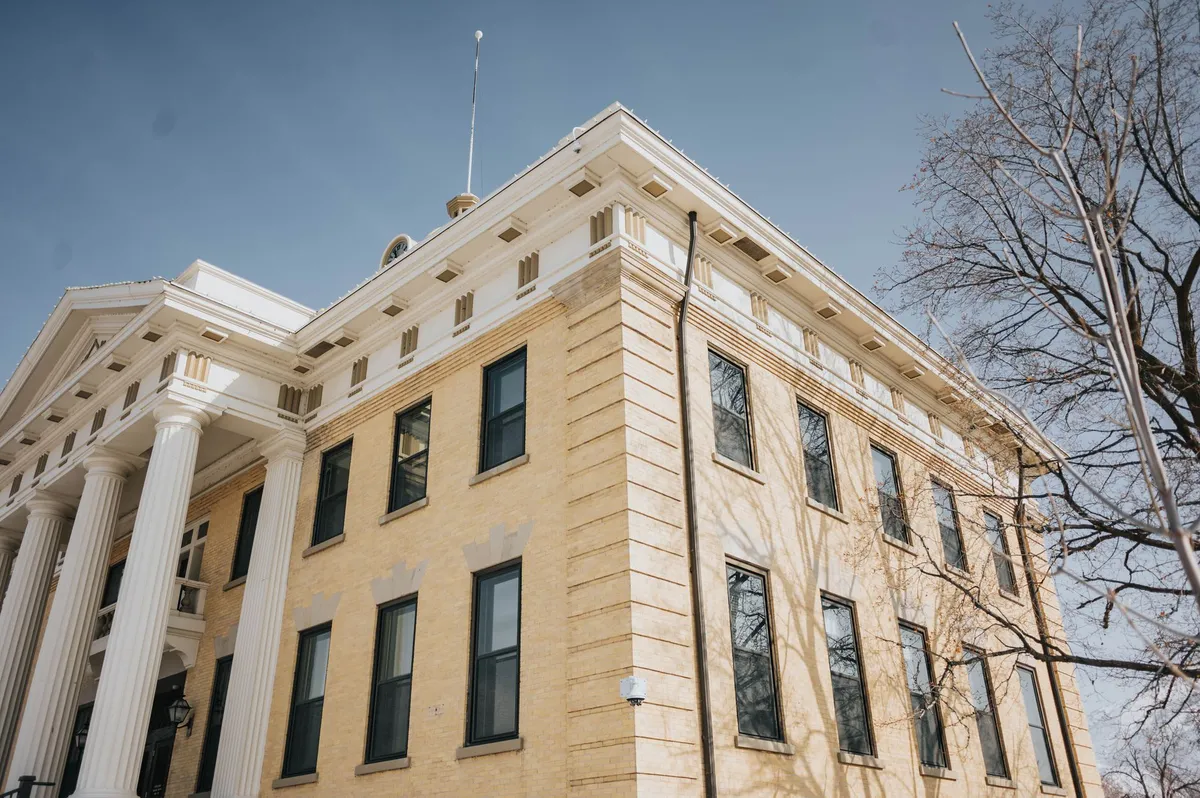
Drummond's lawsuit, filed in state court, alleges that Allstate implemented an internal program designed to deny or drastically reduce payments for claims that should have been covered. "This lawsuit is about protecting Oklahoma homeowners and holding insurance companies accountable when they fail to honor the promises they make to policyholders," Drummond stated, emphasizing the expectation that consumers have when paying their insurance premiums.
The Allegations Against Allstate
The lawsuit claims that Allstate relied on third-party engineering firms and adjusting companies to support a strategy aimed at minimizing claims payouts. These entities reportedly provided reports that aligned with Allstate's objectives to deny or reduce claims, raising serious ethical questions about the integrity of the claims-handling process. Furthermore, the lawsuit alleges that Allstate's agents engaged in deceptive sales practices, misleading clients into believing their homeowners' policies would provide full replacement coverage for wind or hail damage, a claim that in many instances was far from reality.
The implications of this lawsuit extend beyond mere financial compensation. It raises concerns about the broader practices of insurance companies in the wake of increasingly severe weather patterns attributed to climate change. With storm-related claims surging, the scrutiny faced by insurers regarding their claims-handling practices is intensifying across the country.

The Bigger Picture: Increasing Scrutiny on Insurers
Oklahoma's legal action against Allstate is not an isolated incident. Similar issues have arisen in other states as well. For instance, in California, the state’s insurance regulator has alleged that State Farm mishandled claims related to the devastating Los Angeles wildfires of 2025. This has led to significant penalties being sought against the insurer, showcasing a nationwide trend where regulatory bodies are increasingly vigilant about the practices of insurance companies.
As weather-related events grow more frequent and severe, the financial stakes for both insurers and policyholders are escalating. Insurers are facing pressure to adapt their business models to the realities of a changing climate, while consumers are demanding transparency and accountability. The fallout from these lawsuits could lead to broader industry reforms, impacting how policies are written, how claims are managed, and ultimately, how much consumers pay for coverage.

Understanding Claims Processes and Insurer Accountability
For homeowners, understanding the claims process is crucial, especially when navigating disputes with insurers. Here are key elements to consider:
- Policy Coverage: Always read your policy thoroughly to understand what is covered and what is excluded. Wind and hail damage should typically be included, but specific terms can vary drastically.
- Claims Submission: When filing a claim, document damage thoroughly with photos and detailed descriptions. This will serve as crucial evidence if a dispute arises.
- Communication with Insurers: Keep detailed records of all communications with your insurance agent and adjusters, including dates, times, and content of discussions.
- Seeking Help: If you believe your claim is being unfairly denied, consider consulting a public adjuster or an attorney who specializes in insurance claims to advocate on your behalf.
The process of filing a claim and receiving the appropriate payout can be fraught with challenges. Homeowners must be aware of their rights and the obligations of their insurance providers to ensure they are adequately compensated for their losses.
Potential Consequences for Allstate and Homeowners
The lawsuit could have significant ramifications for Allstate, potentially involving hefty civil penalties if the court finds the company has indeed engaged in deceptive practices. Such a ruling could set a precedent for how insurers operate in Oklahoma and potentially beyond. For homeowners, the outcome of this case may influence future interactions with their insurance providers, as well as expectations regarding transparency and accountability in claims processing.
Moreover, if Oklahoma's attorney general is successful in dismantling what he calls a "racketeering enterprise," it could prompt other states to initiate similar actions against Allstate and other insurers, leading to a seismic shift in the insurance landscape.

Key Takeaways
- Oklahoma's lawsuit against Allstate alleges systematic underpayment of claims for wind and hail damage.
- The case highlights growing scrutiny over insurers’ claim practices amid increasing weather-related disasters.
- Homeowners should be informed about their policy coverage and understand the claims process to ensure they receive fair treatment.
- Outcomes of such lawsuits may lead to broader reforms in the insurance industry.
Frequently Asked Questions
What should I do if my insurance claim is denied?
If your insurance claim is denied, the first step is to carefully review the denial letter to understand the reasons behind it. Contact your insurer for clarification and gather any additional documentation that may support your case. If you believe the denial is unjustified, consider filing an appeal with your insurer, and consult with a public adjuster or legal professional who specializes in insurance claims for further guidance.
How can I ensure my insurance policy meets my needs?
To ensure your insurance policy meets your needs, assess your property and potential risks it may face, such as specific weather events relevant to your area. Consult with an insurance agent to tailor your coverage appropriately, and regularly review and update your policy to adapt to changes in your circumstances or the insurance market.
What are the common deceptive practices in the insurance industry?
Common deceptive practices in the insurance industry can include misrepresenting policy coverage, failing to disclose exclusions, or utilizing aggressive claims denial practices. It is essential for consumers to be vigilant and informed about the terms of their policies and to seek clarification from their insurers whenever necessary.
Comments
Oklahoma Supreme Court Limits AG's Role in State Farm Hail Claim Case
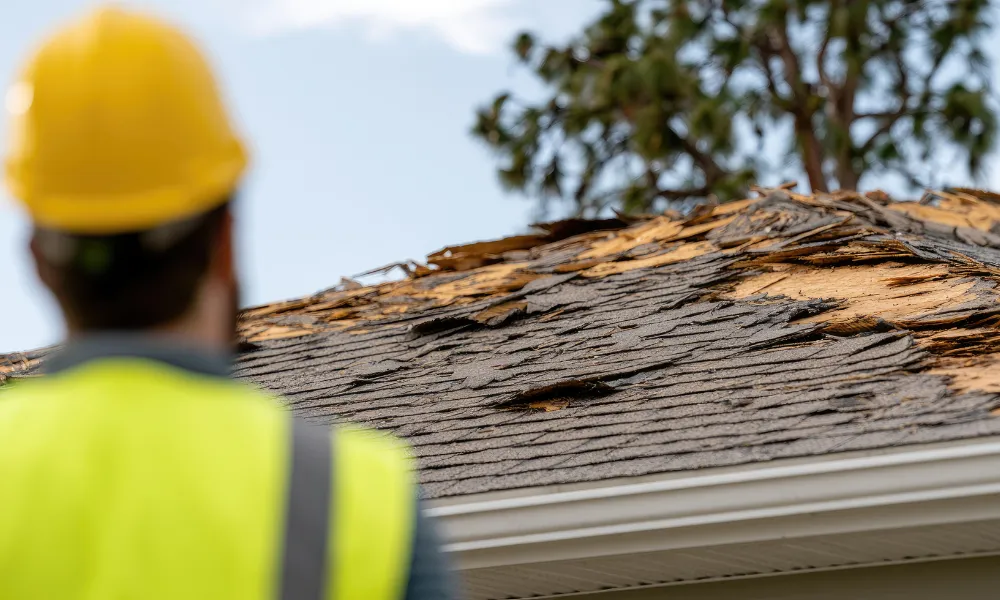
The Oklahoma Supreme Court has ruled against the state's attorney general, preventing him from transforming a single homeowner's hail claim against State Farm into a broader statewide inquiry. This decision underscores the delicate balance between consumer protection and insurance industry regulation.
Related articles

Popular in Home Insurance
- 2026 Sees Below-Average Severe Convective Storm Losses: What It Means for Insurance
- El Niño and Wildfires: Preparing for a Fire-Prone Future
- Young Affluent Collectors: The Underinsurance Dilemma in Luxury Investments
- Wisconsin Property Owner Sues City and Insurers Over Contamination Cleanup Costs
- Rising Catastrophe Risks: How Europe’s Insurers Are Adapting to Climate Change