Wildfire Evacuations: A Growing Challenge in an Era of Megafires
As wildfires become more ferocious and unpredictable, evacuation plans across the U.S. are increasingly put to the test. This article explores the challenges and strategies communities are adopting to ensure safety during these devastating events.

As summer temperatures rise, so do the challenges associated with wildfires, particularly in the United States. Communities like Fairfax, California, nestled in hilly terrains, are facing unprecedented threats from faster and fiercer wildfires. The rapid onset of these disasters has sparked concerns over existing evacuation plans, revealing significant vulnerabilities in how towns are prepared to manage mass evacuations.
The reality is stark: many communities were not designed to facilitate the simultaneous evacuation of their entire population. Fire Chief Dan Mahoney of the Ross Valley Fire Department highlights a critical flaw, stating, "In a lot of areas, there’s only one way in and out." This limitation becomes a deadly bottleneck when wildfires approach, underscoring the urgent need for improved planning and infrastructure.
The Escalating Threat of Wildfires
Wildfires have become increasingly common due to climate change, which has led to hotter temperatures and prolonged droughts. This summer alone saw devastating blazes across California and other states, with firestorms igniting without warning and spreading at alarming rates. The U.S. government acknowledged this risk, stating that the speed and ferocity of modern wildfires can overwhelm even the most meticulously crafted evacuation plans.
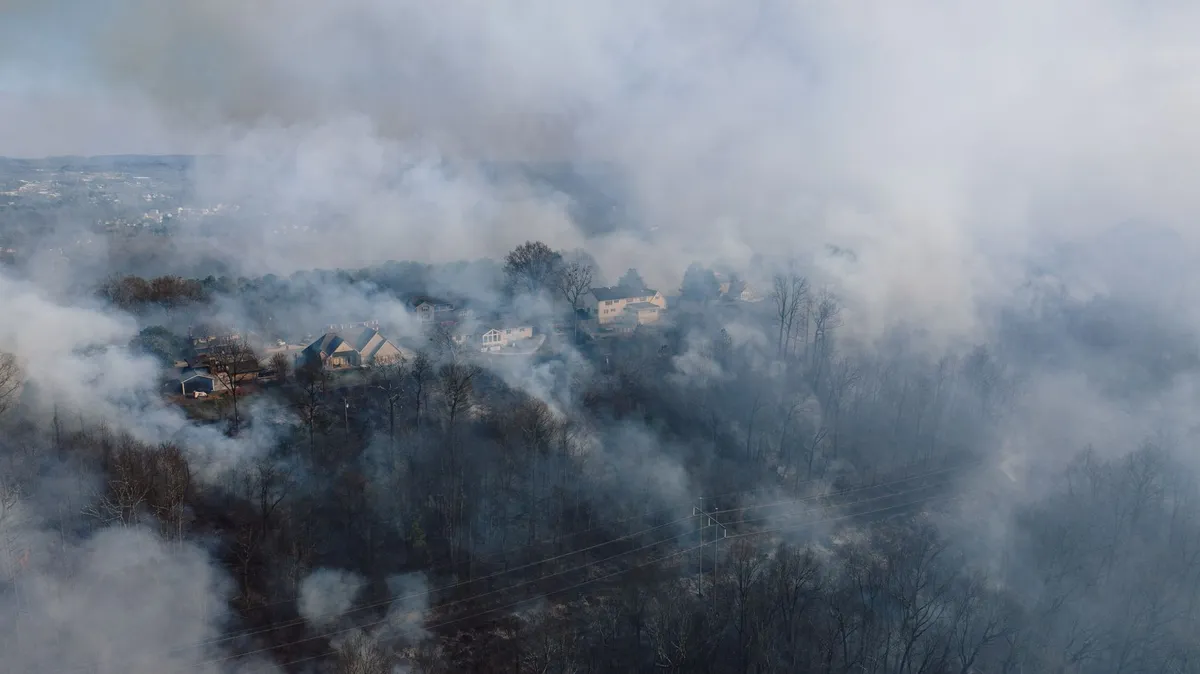
A recent study from the University of California, Santa Barbara, reveals that approximately 2.5 million people reside in small towns at high risk for wildfires, with limited escape routes. This statistic highlights a broader issue: nearly 18 million more individuals live in areas facing a lower yet increasing threat of wildfires, often with a single exit route. Such scenarios pose a significant risk, especially in towns like Kentfield, California, where the population of 6,900 has been identified as vulnerable.
Understanding Evacuation Logistics
Evacuating a population during a wildfire is not merely about getting people out; it involves intricate logistical planning. For instance, a study conducted in Berkeley, California, found that evacuating over 20,000 residents from hillside neighborhoods could take up to four hours during a major wildfire. This complexity is exacerbated by the need for specialized transportation for vulnerable populations, such as the elderly or disabled. The study estimated that 262 buses, 48 wheelchair-accessible vans, and 66 ambulances would be essential for a successful evacuation.
Alan Murray, director of the Wildfire Resilience Initiative at UC Santa Barbara, emphasizes that traditional disaster planning often focuses on slow-moving catastrophes like hurricanes, leaving communities ill-prepared for the rapid onset of wildfires. His team has developed tools such as interactive maps that identify potential bottlenecks in evacuation routes, highlighting the number of people per exit lane, locations of hydrants, and historical wildfire data.
Case Studies: Local Strategies and Innovations
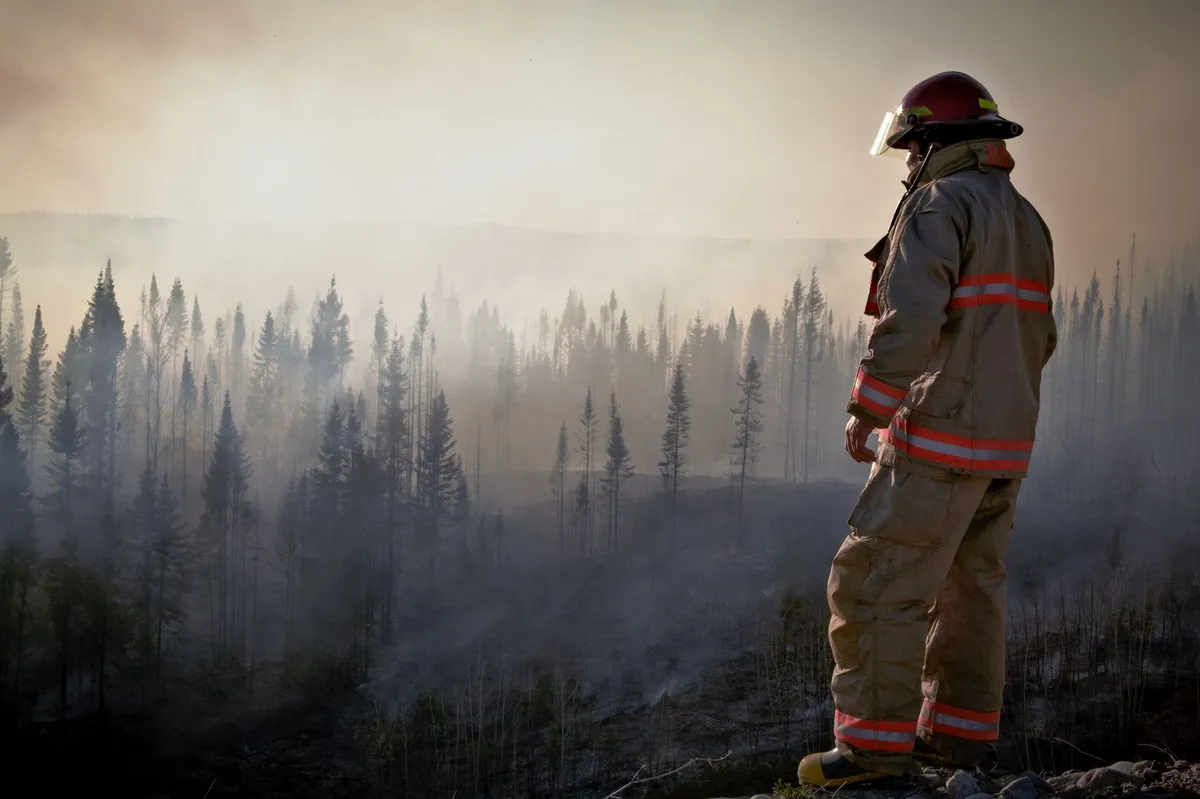
In response to the growing threat of wildfires, various communities are taking proactive measures to enhance their evacuation preparedness. For example, Marin County officials have commissioned egress risk assessments to pinpoint evacuation chokepoints and have started to implement strategies to 'harden' exit routes. These strategies include:
- Vegetation Management: Cutting back overgrown vegetation that could fuel fires along evacuation routes.
- Evacuation Drills: Conducting regular drills to familiarize residents with safe evacuation procedures.
- Public Education: Creating informative materials and videos to educate the public on how to respond during wildfires.
During a recent demonstration, Chief Mahoney and Mark Brown, executive officer of the Marin Wildfire Prevention Authority, showcased these strategies by navigating the winding roads of Fairfax. They outlined critical escape routes and identified temporary refuges where residents could seek safety until the fire passed. Their message emphasized the importance of early evacuation, minimizing the number of vehicles, and staying calm during the process.
Overcoming Public Fatigue and Resistance
Despite these efforts, communities face a significant hurdle: public fatigue. Following a series of destructive wildfires, many residents have become desensitized to evacuation alerts. Murray notes that in areas like Santa Barbara County, where wildfire warnings have become routine, residents often respond with skepticism. "There’s been so many warnings that people are just like, ‘eh, not again,’" he explains.
This fatigue underscores the need for effective communication strategies that engage residents and emphasize the real dangers of wildfires. Local officials are working to combat this by ensuring that evacuation alerts are clear, relevant, and accompanied by actionable steps that residents can take to prepare.
Future Directions for Wildfire Preparedness
As the frequency and intensity of wildfires continue to rise, it is crucial for communities to adapt their emergency response plans. Collaboration between local fire departments, emergency management agencies, and community organizations will be essential to develop comprehensive and effective evacuation strategies. Key areas for future focus include:
- Incorporating Technology: Utilizing apps and platforms that provide real-time information on evacuation routes and conditions.
- Community Engagement: Involving residents in planning processes to foster a sense of ownership and responsibility for evacuation preparedness.
- Policy Advocacy: Encouraging policymakers to invest in infrastructure improvements that enhance the safety and resilience of communities at risk.
Ultimately, the goal is to create a culture of preparedness where residents are not only aware of the risks but also equipped with the knowledge and resources to respond effectively when wildfires threaten their communities.
Key Takeaways
- Communities across the U.S. are facing increasing challenges with wildfire evacuations due to climate change.
- Limited escape routes in small towns heighten the risk of fatalities during wildfires.
- Proactive measures, including public education and logistical planning, are essential for effective evacuation strategies.
- Public fatigue with evacuation alerts can undermine efforts, necessitating new communication approaches.
- Future preparedness will require collaboration, technology, and community involvement.
Frequently Asked Questions
What factors contribute to the rising risk of wildfires?
Climate change is a primary driver of the increasing frequency and intensity of wildfires. Rising temperatures and prolonged drought conditions create an environment where vegetation becomes dry and highly flammable. Additionally, human activities, such as land use changes and fire management practices, can exacerbate the risks by allowing fuel loads to accumulate in forested areas.
How can communities improve their evacuation plans?
Communities can enhance their evacuation plans by conducting risk assessments to identify bottlenecks and potential challenges. This includes mapping escape routes, implementing vegetation management practices, and conducting regular evacuation drills. Engaging residents in the planning process and providing clear communication about evacuation procedures also play crucial roles in improving readiness.
What should individuals do to prepare for a wildfire evacuation?
Individuals can prepare for potential wildfire evacuations by creating an emergency plan that includes an evacuation route, a communication strategy for family members, and a checklist of essential items to take when evacuating, such as medications, important documents, and pet supplies. Being aware of local fire conditions and heeding evacuation alerts promptly can also save lives.
Are there resources available to help communities with wildfire preparedness?
Yes, various organizations and government agencies provide resources to assist communities in wildfire preparedness. These include FEMA, the U.S. Forest Service, and local emergency management offices, which offer guidelines, training, and support for developing effective wildfire response plans.
Comments
Oklahoma Supreme Court Limits AG's Role in State Farm Hail Claim Case
The Oklahoma Supreme Court has ruled against the state's attorney general, preventing him from transforming a single homeowner's hail claim against State Farm into a broader statewide inquiry. This decision underscores the delicate balance between consumer protection and insurance industry regulation.

Related articles




Popular in Home Insurance
- 2026 Sees Below-Average Severe Convective Storm Losses: What It Means for Insurance
- El Niño and Wildfires: Preparing for a Fire-Prone Future
- Young Affluent Collectors: The Underinsurance Dilemma in Luxury Investments
- Wisconsin Property Owner Sues City and Insurers Over Contamination Cleanup Costs
- Rising Catastrophe Risks: How Europe’s Insurers Are Adapting to Climate Change